Amazon Just Replaced Rufus with Alexa for Shopping. Here’s What That Means for Your Listings.
Amazon retired Rufus on May 13, 2026 and replaced it with Alexa for Shopping in the search bar, results, and product pages. What sellers do next.


Amazon retired the standalone Rufus chatbot on May 13, 2026, and replaced it with Alexa for Shopping. The new assistant sits directly in the main search bar, generates AI overviews above search results, and runs side-by-side product comparisons inside the results page itself. It’s the default for every signed-in U.S. customer on the Amazon Shopping app and website, with no Prime membership or Echo device required.
For sellers, the deciding factors in AI-mediated discovery are attribute completeness, bullet structure that leads with features and benefits, A+ content that reads as informational rather than promotional, review quality and recency, and Subscribe & Save positioning. Expect PPC efficiency metrics like ACoS, TACoS, and new-to-brand rate to move during a 30 to 60 day stabilization period as this rolls out.
What Is Amazon Alexa for Shopping?
Alexa for Shopping is a conversational AI assistant available on the Amazon Shopping app, Amazon.com, and Echo Show devices. It answers shopping queries, builds product comparisons, tracks prices, and can schedule purchases on a customer’s behalf. According to Amazon’s announcement, Alexa for Shopping merges Rufus and Alexa+, drawing on each customer’s shopping history, browsing behavior, and prior conversations across Alexa-enabled devices.
It works without Prime and without an Echo device. Customers access it by tapping the cursive A icon on the app or website. Rajiv Mehta, Amazon’s vice president of Conversational Shopping, said the assistant has access to data other AI shopping tools don’t: customer reviews, inventory status, delivery estimates, and the full Amazon catalog.
Rufus had reached over 300 million customers in 2025-2026 before this change. The transition rolls Rufus’s recommendation features and shopping history into Alexa for Shopping rather than discarding them.
Not Sure How Alexa for Shopping Is Affecting Your Listings? We'll Take a Look.
Canopy's Partners Achieve an Average 84% Profit Increase!
Get Your Free Amazon AuditWhy Amazon Made the Switch
The competitive pressure from OpenAI, Google, and Perplexity has been building for over a year. Each has launched AI shopping tools that threaten to handle research and purchase decisions before customers ever reach Amazon. Amazon’s response has been to build a defensive layer that keeps the conversation inside its own product graph.
OpenAI shut down its Instant Checkout feature earlier this year and shifted toward retailer-specific apps inside ChatGPT. Mehta said he wasn’t surprised competitors have had to undo features that turned out to be incomplete. His framing: shopping is too important to treat as a side feature of a general-purpose chatbot.
For sellers, the read is that Amazon is committing significant search and product page real estate to AI-mediated experiences. That’s a decision with downstream effects on how customers discover products and what listings need to look like to be surfaced.
What Changes When Alexa for Shopping Replaces Rufus?
Three things change when Alexa for Shopping replaces Rufus:
- Personalization depth. Rufus knew your Amazon shopping history. Alexa for Shopping knows your Amazon history plus every Alexa conversation across every Echo device, so recommendations are shaped by context Rufus never had access to.
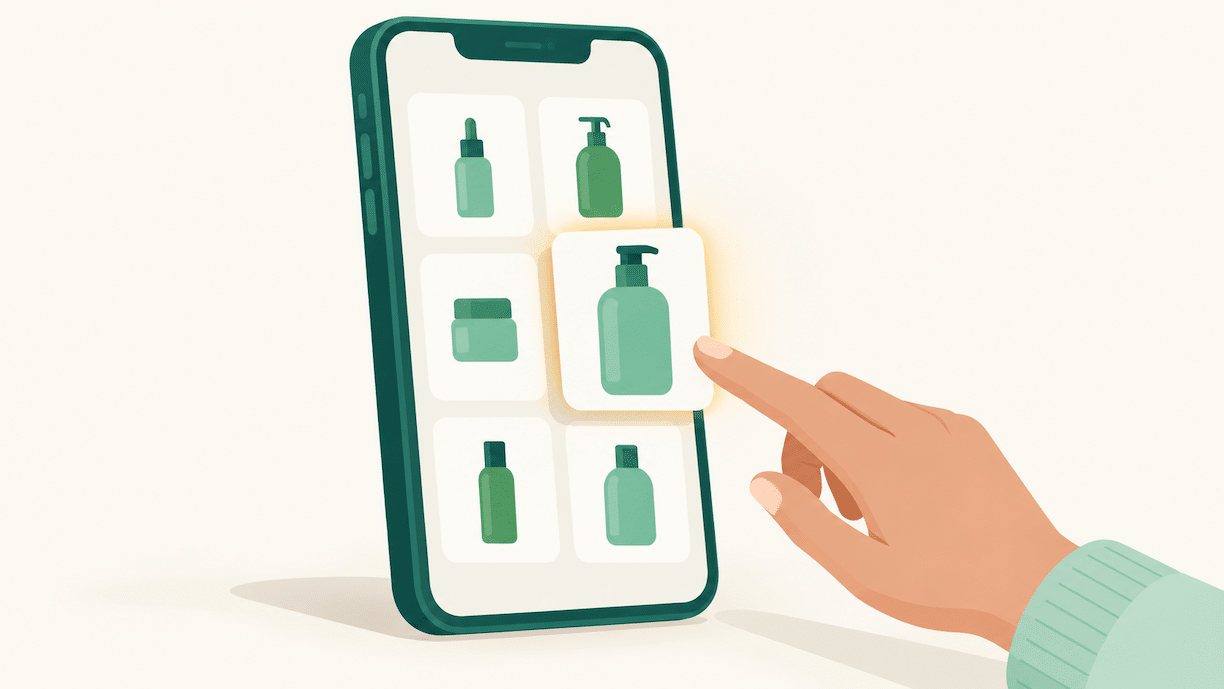
- Surface area inside Amazon. Rufus lived in a dedicated chat window. Alexa for Shopping now sits in the main search bar, generates AI overviews above search results, and runs side-by-side product comparisons from the results page itself.
- Reach. Rufus was in beta and required customers to seek it out. Alexa for Shopping is the default AI layer for every signed-in U.S. customer on the Amazon Shopping app and website, with no Prime or Echo device required. Rufus had reached over 300 million customers in 2025 as a beta product. Alexa for Shopping is being inserted into the path of every signed-in U.S. shopper this week.

The combined effect: the assumptions sellers made about Rufus (a separate AI tool with limited reach that some customers used for research) don’t carry forward. Alexa for Shopping is a default layer over the primary Amazon shopping experience, with deeper context on each customer and more surfaces inside Amazon to influence what they see.
How Will Alexa for Shopping Affect Amazon Product Optimization?
For Amazon sellers, the product optimization impact lands in five specific places:
- Product attributes become a ranking factor for AI surfaces. Every empty attribute field on your listing is a question Alexa for Shopping can’t answer about your product. Complete attribute data feeds AI overviews and side-by-side comparisons directly.
- Bullet structure matters more than bullet keyword density. Bullets that lead with the specific feature, then the benefit, are easier for Alexa for Shopping to extract into summaries. Keyword-stuffed bullets that satisfied the old algorithm can now work against you.
- A+ content needs to be informational, not just promotional. Marketing copy doesn’t extract cleanly. Comparison tables, feature breakdowns, and use-case content do.
- Review quality and recency carry more weight. Alexa for Shopping pulls from reviews when generating overviews and answering product questions. Listings with thin or stale review content lose ground in AI-mediated discovery.
- Subscribe & Save and reorder pathways become discovery channels. Scheduled Actions let customers automate routine purchases through Alexa for Shopping. Brands already in a customer’s order history get added to that loop. New brands have to break in through search and AI overviews first.
What This Means for Sponsored Product Listings
Sponsored product listings account for most of Amazon’s advertising revenue, and they sit in the same search results real estate that Alexa for Shopping is now occupying. Mehta said ads will appear in Alexa for Shopping when they “enhance” the shopping experience and that the feature isn’t designed to “narrow” search results. Read that carefully. Placement is moving, even if total ad inventory holds steady.
Our working assumption is that sponsored placements continue, but their relative prominence shifts as AI overviews take the top of the page and side-by-side comparisons happen inside chat.
The competitive question becomes: when an AI overview summarizes the category, does it cite your product? When a customer compares three options pulled from search results, do you make that shortlist? This is GEO logic applied to Amazon’s internal AI. The brands that get cited in the summary are the brands that win the click.
What Sellers Should Do Right Now
A few priorities we’d act on this quarter:
Audit your listings for AI extractability. Lead bullets with the specific feature, then the benefit. Make product attributes complete and accurate. The cleaner the structured data, the easier it is for Alexa for Shopping to pull your product into an overview or comparison.
Review your pricing history. Alexa for Shopping now shows up to a full year of price changes on hundreds of millions of products. If you’ve been using inflated reference prices to manufacture savings, that strategy is now visible to every shopper.
Strengthen Subscribe & Save and reorder pathways. Scheduled Actions let customers automate routine purchases. Brands already established in a customer’s order history get added to that loop. New brands have to break in.

Expect your PPC efficiency metrics to move. As AI overviews take attention from the standard search results page, click-through patterns will shift. Plan for a 30 to 60 day stabilization period before drawing conclusions about new ACoS or TACoS baselines.
Watch new-to-brand rates closely. Discovery patterns are changing. New-to-brand sales are the leading indicator of whether your products are still being surfaced to first-time shoppers.
For how these priorities fit with Q&A, external AI search, and PPC, see our Amazon AI optimization guide.
The Bigger Picture
Alexa for Shopping is Amazon’s bet that the future of shopping runs through a personalized AI assistant rather than a search engine. The bet may or may not pay off with consumers. Plenty of shoppers still want to scroll, compare, and decide on their own.
But Amazon has committed to the real estate. Sellers who treat this as a routine feature update will be slower to adapt than sellers who treat the rollout as a structural shift in how their products get discovered.
We’ve been managing accounts through every major Amazon search and ad surface change over the past several years. The pattern is consistent: the brands that adjust their listings, content, and ad strategy in the first 60 to 90 days come out ahead. The ones who wait for new baselines to settle spend the next year catching up.
How Canopy Management Can Help
Our PPC and Amazon SEO teams are already auditing partner accounts for AI extractability and watching how sponsored placement performance shifts inside the new search experience.
Canopy partners see an average 84% year-over-year profit increase, with 99.1% retention across our full-service partnerships. We manage real accounts going through this transition right now, and we share what we learn.
Canopy Management delivers end-to-end eCommerce growth, leading the industry in Amazon marketplace strategy while powering expansion through Shopify, Meta, and Google. Our full-funnel approach – from marketplace optimization to customer acquisition – has generated over $3.3 billion in partner revenue and made us the trusted growth engine for brands worldwide.
Schedule a strategy session with our team to discover exactly how our proven frameworks can accelerate your growth.
Not Sure How Alexa for Shopping Is Affecting Your Listings? We'll Take a Look.
Canopy's Partners Achieve an Average 84% Profit Increase!
Get Your Free Amazon AuditFrequently Asked Questions
Alexa for Shopping began rolling out to all U.S. customers on May 13, 2026, with full availability across the Amazon Shopping app, Amazon.com, and Echo Show over the following week. The standalone Rufus chatbot is being discontinued, though its recommendation features and shopping history data are being absorbed into Alexa for Shopping rather than removed.
No. Any signed-in Amazon customer can use Alexa for Shopping for free on the Amazon Shopping app or website. An Echo device, Alexa app, or Prime membership is not required. This widens the user base significantly beyond the existing Alexa+ install base.
Yes. Amazon confirmed that sponsored product listings will continue to appear inside Alexa for Shopping results, in placements the company describes as enhancing the shopping experience. The exact placement mechanics inside AI overviews and side-by-side comparisons have not been published, and PPC performance baselines are expected to move during the first 30 to 60 days of rollout.
Buy for Me is a specific agentic AI feature inside Alexa for Shopping that completes purchases from non-Amazon retailers on a customer’s behalf, using the customer’s primary address and payment method. Alexa for Shopping is the broader assistant covering search, comparison, recommendations, and price tracking across Amazon’s own catalog and the wider web.
Watch four metrics closely: ACoS and TACoS movement on sponsored campaigns, new-to-brand purchase rate, organic conversion rate on top ASINs, and search-term report changes (especially conversational query patterns). Movement in any of these signals that AI overviews and side-by-side comparisons are reshaping discovery for your catalog.