Amazon Transparency Program: What Brand Owners Need to Know in 2026

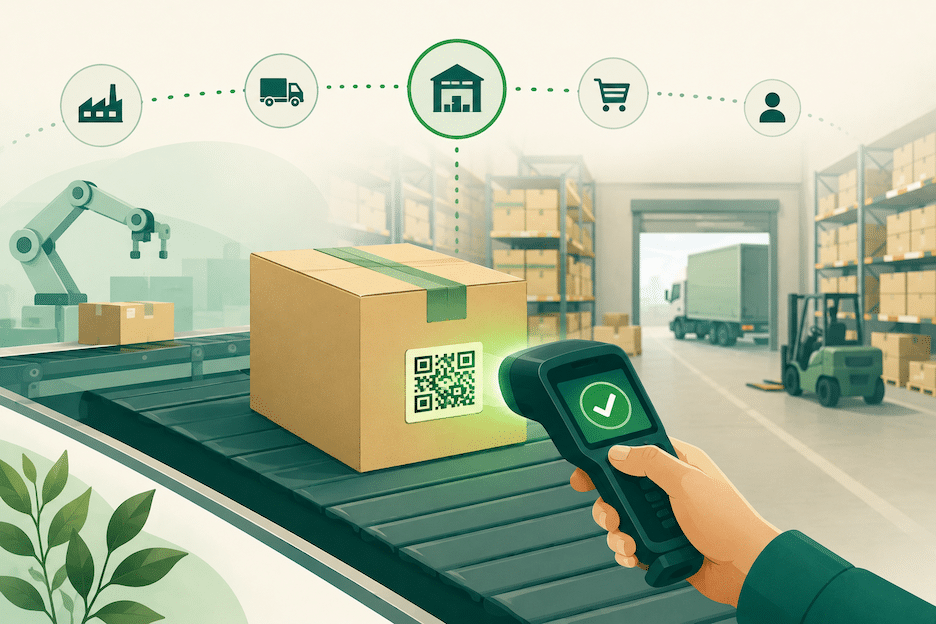
Amazon’s Transparency program launched in 2017 as a counterfeit deterrent. The core mechanic hasn’t changed: unique serialized codes applied to every unit, verified at fulfillment, flagged or blocked if they’re missing. What has changed is how much the program does, how it fits into Amazon’s broader brand protection stack, and how much easier it’s become to implement.
If you enrolled years ago and haven’t revisited how Transparency integrates with newer tools, or if you’ve been on the fence about enrollment, this is worth an update.
What Is Amazon Transparency and How Does It Work?
Amazon Transparency is a product serialization service that assigns a unique code to every individual unit you manufacture. When an order ships from an Amazon fulfillment center or through Fulfilled by Merchant, the code is scanned to confirm authenticity. Units without a valid Transparency code are blocked from shipping. Units returned without a valid code cannot be restocked.
That last part matters. Transparency doesn’t just stop counterfeits from going out. It prevents unauthorized inventory from re-entering your supply chain through returns.
For FBA sellers, Amazon handles the scanning. For FBM sellers, you’re responsible for attaching codes to each unit before shipping. Either way, the protection is structural: any seller who doesn’t have your codes literally cannot fulfill orders on your enrolled ASINs.
Enrollment is open to brand owners enrolled in Amazon Brand Registry with a government-registered trademark and a valid GTIN (UPC, EAN, or ISBN) for each product. Resellers and distributors cannot enroll independently. Transparency is a brand-owner-only program.
How Has Transparency Changed Since 2021?
The original enrollment model required brands to apply Amazon-issued QR codes to every unit, which meant either retrofitting existing production lines or coordinating with manufacturers to add a new label during packaging.
In 2025, Amazon introduced Transparency Interoperability. Brands that already use serialization in their manufacturing process can now connect their existing serial numbers to the Transparency system instead of applying new Amazon-issued codes. That eliminates the labeling cost and the production disruption for brands that were already tracking units individually. For brands with complex catalogs or high unit volumes, this was a meaningful operational change.
Beyond the enrollment mechanics, Transparency also expanded its customer-facing functionality. Buyers can now scan Transparency codes using the Amazon Shopping app to receive authentication confirmation plus enhanced product information: manufacturing date, origin, and brand-provided details. This builds on the QR code value that existed in the program’s early form, but it’s delivered through the main Amazon app rather than a separate authentication tool.
How Does Transparency Fit Into Amazon’s Brand Protection Stack?
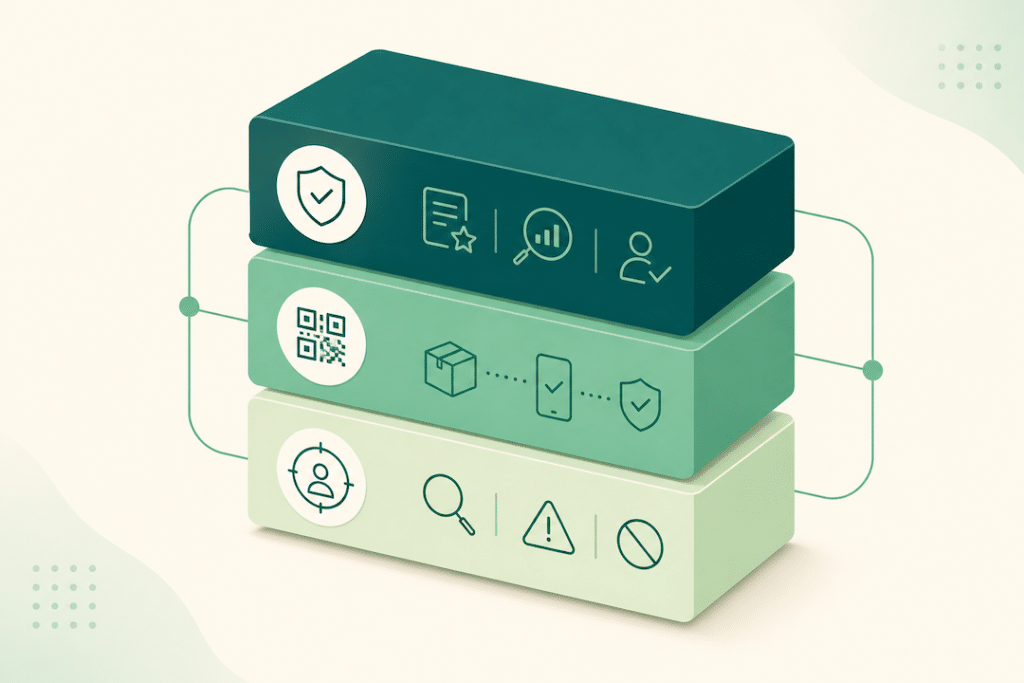
Transparency now operates as one layer in a three-part protection system alongside Brand Registry and Project Zero.
Brand Registry establishes your authority over listing content. It gives you control over titles, images, bullet points, and descriptions, and provides access to enforcement tools. In 2025, Amazon added Brand Catalog Lock, which lets you lock those key listing fields so unauthorized sellers or catalog contributors can’t modify them. That closes a gap that frustrated brand owners for years: even with Brand Registry, bad actors could sometimes push listing edits through.
Counterfeits and hijackers are still finding ways in. Make sure your catalog is protected.
Canopy's Partners Achieve an Average 84% Profit Increase!
Get Your Free Amazon AuditProject Zero adds immediate takedown authority. Once enrolled, you can remove counterfeit listings directly without going through Amazon’s review process. It’s the reactive layer for listings that are already live.
Transparency is the proactive layer. It stops unauthorized units from entering the supply chain in the first place.
Used together, the stack works across different vectors. Brand Catalog Lock protects your listing content. Transparency blocks unauthorized inventory. Project Zero removes counterfeits that still make it through. Each tool addresses a different failure mode.
Who Should Enroll in Transparency?
Transparency works best for brands that face specific risk profiles: products frequently counterfeited or hijacked, categories where buyers can’t easily distinguish authentic from fake, and high-price-point items where the economics of counterfeiting are attractive.
The cost of enrollment ranges from roughly $0.01 to $0.05 per unit depending on volume, so the math looks different for a brand selling $200 supplements versus a brand selling $12 household goods. Most sellers would want to start with their highest-risk SKUs rather than enrolling everything at once.
There are operational requirements worth being honest about. Every unit needs a code before it ships or enters an Amazon warehouse. That means coordinating with your manufacturer or building a labeling step into your own fulfillment prep. Brands that haven’t done this kind of unit-level tracking before will feel it. The Interoperability option reduces the burden for brands with existing serialization, but it doesn’t eliminate it for brands starting from scratch.

The program is currently available in the US, UK, Canada, Germany, France, Italy, Spain, Japan, Australia, and India.
What Transparency Doesn’t Do
Transparency stops unauthorized inventory from fulfilling orders on your enrolled ASINs. It doesn’t prevent unauthorized sellers from creating listings, winning the Buy Box on unenrolled ASINs, or pricing your products outside MAP policy.
Full marketplace control requires a combination of Transparency, distribution agreements that give you legal grounds for enforcement, consistent monitoring, and a willingness to actually use the Report a Violation tool when violations appear. Brands that enroll in Transparency and don’t address the other pieces sometimes find that their protected ASINs are clean but adjacent issues continue.
Amazon’s broader enforcement ecosystem has improved significantly. AI-driven monitoring now flags price anomalies, suspicious seller behavior, and fulfillment inconsistencies before they reach the Buy Box. Transparency fits into this picture as a structural guarantee, not a complete solution.
The most common mistake is treating enrollment as the endpoint. It’s a foundation.
How Canopy Management Can Help
Canopy works with brands across their full Amazon operations, including brand protection setup and catalog management. If you’re working through which protection tools make sense for your catalog, we can walk through your specific situation.
Canopy Management is a full-service omnichannel agency based in Austin, Texas. We run Amazon, Walmart, TikTok Shop, Shopify, Meta, and Google for brands doing $20K to $1.5M in monthly revenue, with the same dedicated brand manager owning the account for the life of the engagement.
The numbers we lead with: $3.3 billion in partner revenue, 84% average year-over-year profit increase, and 99.1% partner retention.
Schedule a strategy session to see how we’d approach your account.
Counterfeits and hijackers are still finding ways in. Make sure your catalog is protected.
Canopy's Partners Achieve an Average 84% Profit Increase!
Get Your Free Amazon AuditFrequently Asked Questions
Amazon Transparency is a product serialization service that assigns a unique scannable code to every unit you manufacture. Amazon verifies these codes at fulfillment; units without a valid code are blocked from shipping. It’s available to brand owners enrolled in Amazon Brand Registry with a registered trademark and valid GTIN for each enrolled product.
Interoperability, introduced in 2025, allows brands that already use serialization in their manufacturing process to connect their existing serial numbers to the Transparency system. Instead of applying new Amazon-issued QR codes to every unit, brands can register their current serial numbers with Amazon. This eliminates the labeling cost and packaging changes that made original enrollment operationally difficult for high-volume brands.
Transparency prevents unauthorized sellers from fulfilling orders on your enrolled ASINs because they won’t have valid codes. For the Buy Box and listing control on enrolled products, Transparency combined with Brand Registry’s Brand Catalog Lock (added in 2025) gives brand owners strong protection against both unauthorized sales and listing edits.
Amazon doesn’t publish a fixed pricing schedule, but enrollment costs vary by unit volume, generally in a low-cents-per-unit range. The practical cost also includes any labeling or manufacturing coordination required. The Interoperability option reduces those operational costs for brands with existing serialization. Starting with high-risk, high-value SKUs rather than your full catalog keeps the initial cost manageable.
The three programs address different problems. Brand Registry establishes listing authority and provides enforcement access; Brand Catalog Lock (a 2025 Brand Registry feature) prevents unauthorized content edits. Transparency blocks unauthorized units at the inventory level. Project Zero gives you self-service authority to remove counterfeit listings already live on the platform. Most brands that take brand protection seriously will want all three active.