No Wholesale Distribution: The Amazon Restriction Behind the Victoria’s Secret Removals
Amazon is removing third-party sellers from some brands’ listings based on how those brands distribute. Here’s what the restriction does and what Amazon hasn’t explained.

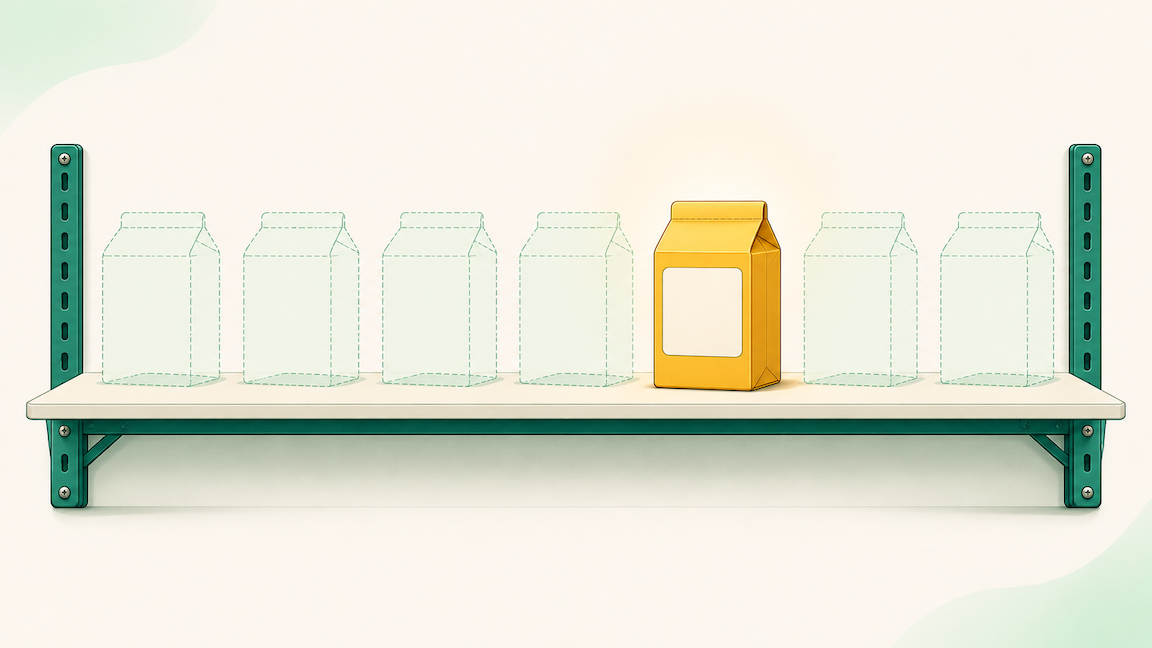
No Wholesale Distribution is a restriction Amazon applies to a named brand. It removes that brand’s listings from third-party sellers and keeps the products available only through sellers holding the Brand Representative role.
The most visible case takes effect November 26, 2026, when Amazon removes every third-party Victoria’s Secret listing on Amazon.com. It isn’t the first. An earlier round went out in October, with sellers reporting notices on October 14 and removals dated October 27.

What the notice says
The notice carries the headline “Victoria’s Secret listings to be removed 2026-11-26 from Amazon.com.” The body tells sellers their listings will be removed on that date and that products remain available “only from sellers with the Brand Representative role for Victoria’s Secret.”
Amazon gives one reason: the brand “distributes products only through direct-to-consumer channels and does not sell through wholesalers, distributors, or third-party resellers.”
Nothing in the notice references counterfeits, documentation, or seller conduct. The stated basis is the brand’s distribution model.
Brand Representative is narrower than authorized
This is where most coverage is going wrong, and the distinction decides who survives the restriction.

Amazon runs two selling roles in Brand Registry. “The Brand Representative role is for internal, first-party sellers who are directly employed by the brand.” The Reseller role is “for external, third-party sellers who are authorized to sell a brand’s goods and services in the Amazon store.”
A restriction limited to Brand Representative holders does not spare authorized resellers. It spares the brand’s own accounts. Holding a Reseller role formalizes authorization for other purposes, including listing creation under the ASIN creation rules, without placing a seller inside this particular boundary.
What happens to affected sellers
Sellers are told to sell remaining inventory or delete SKUs with no inventory before the removal date. If they do nothing, Amazon removes the listings starting that day.
Amazon says SKUs removed under these restrictions do not affect the Account Health Rating, which is unusual for a forced removal and sits apart from the metrics covered in our guide to preventing account suspensions. Removed items keep appearing on the Manage Products and Account Health pages until deleted.
The Victoria’s Secret notice does not mention removal orders, which the October notices reportedly offered.
What Amazon hasn’t documented
Several parts of this remain unexplained, and the confident takes circulating now are filling those gaps with guesses.
Amazon has published no eligibility criteria. The notice cites help pages for error codes 5465 and 6045 that aren’t publicly findable. It says nothing about units already sitting in Fulfillment by Amazon warehouses after the cutoff. Amazon has issued no public statement beyond the notice itself, signed by Amazon Services, and Victoria’s Secret has not commented.
How many brands are queued behind this one is unknown outside Amazon.
The restriction also sits in tension with Amazon’s long-stated position that it does not police distribution. Amazon has said violations of distribution agreements “do not constitute intellectual property rights infringement,” and that it “respects a manufacturer’s right to enter into exclusive distribution agreements” without enforcing them, which is why our guide to removing unauthorized sellers puts most of that work on the brand. This restriction acts on the absence of a wholesale channel rather than on a breached agreement, which is a different fact, though the practical effect looks similar from a seller’s side.
Ephraim Rosenberg, founder of ASGTG, who surfaced the notice, read it as a clarification: “It appears Victoria’s Secret was already fairly restricted, but this makes the policy more explicit.”

How Canopy tracks this
Canopy Management is a full-service omnichannel agency based in Austin, Texas. We run Amazon, Walmart, TikTok Shop, Shopify, Meta, and Google for brands doing $20K to $1.5M in monthly revenue, with the same dedicated brand manager owning the account for the life of the engagement.
The numbers we lead with: $3.3 billion in partner revenue, 84% average year-over-year profit increase, and 99.1% partner retention.
Schedule a strategy session to see how we’d approach your account.
Frequently Asked Questions
No published path exists. Amazon has documented no eligibility criteria and the help pages its notice references aren’t publicly available. The brands where it has been applied sell direct only, which suggests it follows a verifiable distribution model rather than a request.
The Victoria’s Secret notice names Amazon.com specifically. Nothing in the public record indicates whether the restriction has been applied in other marketplaces or whether a removal in one marketplace affects listings elsewhere.
No. Gating controls who can list a brand and typically offers a path through invoices or approval. This removes existing third-party offers outright based on the brand’s distribution structure, with no documented route back for sellers who aren’t Brand Representatives.
Amazon says SKUs removed under these restrictions do not count against the Account Health Rating. That carve-out suggests Amazon treats the action as a catalog change rather than a seller violation, though removed SKUs stay visible in your dashboards until deleted.
The notice doesn’t say, which is the sharpest unanswered question in it. Sellers in the October round reportedly saw removal orders mentioned and this notice does not include that, so treat disposition as unresolved rather than assuming a path exists.
Check whether the brand sells through wholesale at all. A brand with no distributor or wholesale channel fits the stated basis; a brand with a real wholesale business does not. That’s a channel question rather than something visible from inside Seller Central.