What Is Amazon PPC? How It Works, What It Costs, and Whether It’s Worth It in 2026
Discover Amazon PPC strategies to give you a competitive edge, boost your profitability, and conquer your niche in 2025.

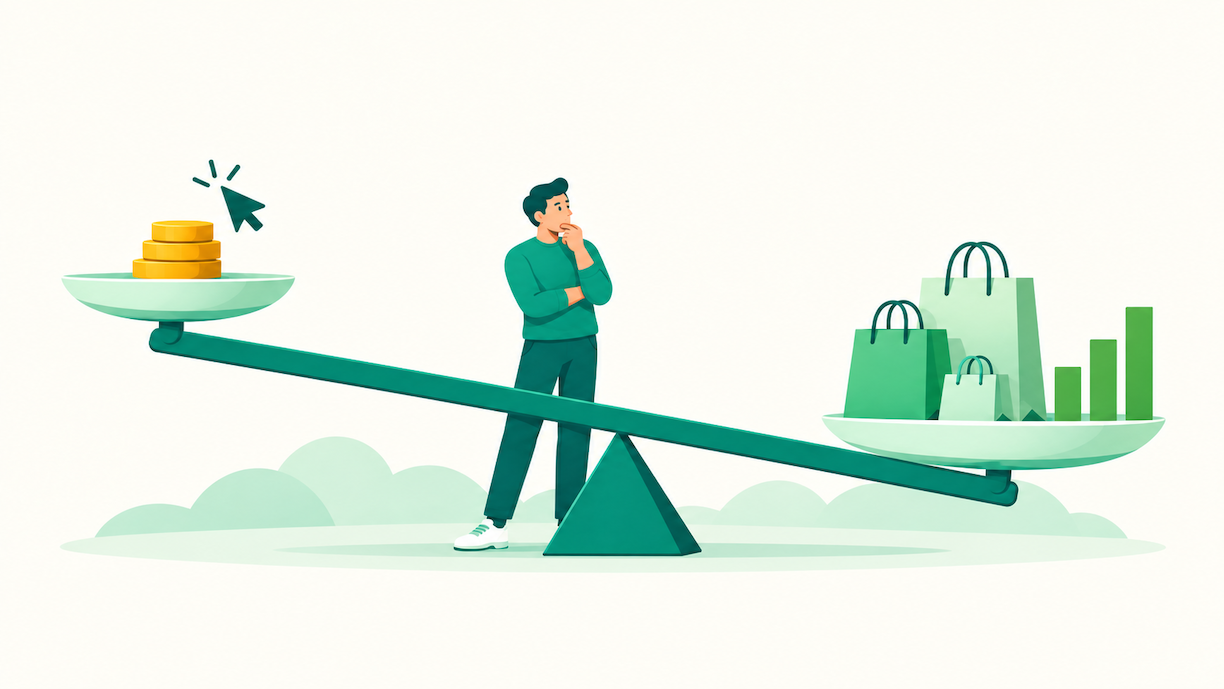
Amazon PPC explained: how the auction works, what you pay, the three ad types, and the honest answer on when it pays off and when it doesn’t.
Amazon PPC (pay-per-click) is Amazon’s advertising system for sellers and vendors. You bid on the searches and product pages where you want your product to appear, and you pay only when a shopper clicks your ad. Amazon describes Sponsored Products, the main PPC format, as “cost-per-click (CPC) ads” with “no monthly or upfront fees.” Ads show “at the top of, alongside, or within shopping results and on product pages,” and since 2026, inside Alexa for Shopping conversations too.
Is it worth it? For most brands with a listing that converts and margin left after Amazon’s fees, yes. PPC is how a product gets in front of shoppers who are already searching for it, and it’s often the fastest way to build the sales history that organic ranking depends on. It’s not worth it when the listing can’t convert, when margins can’t cover the cost of a sale, or when the product keeps going out of stock. In those cases advertising makes the underlying problem more expensive.
Spending on Amazon Ads Without Knowing If They Pay Off?
Canopy's Partners Achieve an Average 84% Profit Increase!
Get My Amazon PPC ReviewHow Amazon PPC Works
Every time a shopper searches on Amazon, an auction runs among the advertisers targeting that search. You set the maximum you’re willing to pay per click, and Amazon decides which ads show based on your bid and how relevant and well-performing your listing is. A higher bid helps, but a listing that earns clicks and converts can win placements at a lower cost than one that doesn’t.
You control three things:
- What you target. Keywords (in broad, phrase, or exact match), specific competitor products, or categories. Or you can let Amazon choose targets for you with an automatic campaign.
- What you bid. A maximum cost per click for each keyword or target, with options for Amazon to raise or lower bids based on how likely a sale is.
- What you spend. A daily budget per campaign. Amazon notes that budgets aren’t paced through the day, so a small budget “could be spent in a few minutes” on a busy search term.
Two 2026 changes matter for anyone starting now. First, Amazon says existing sponsored ads campaigns are automatically eligible to serve inside Alexa for Shopping, the AI assistant that replaced Rufus in May, so your ads can appear in conversations as well as search results. Our Amazon AI optimization guide covers what the assistant reads. Second, on September 29 Amazon renamed its ad platform Amazon Ads Agent, combining the ads console and DSP into one workspace where AI can build and optimize campaigns.
The Three Amazon PPC Ad Types
Sponsored Products promote a single listing in search results and on product pages. They’re the format most sellers start with and the one that drives the most attributed sales. Our Sponsored Products quick-start guide walks through the first campaign.
Sponsored Brands show your logo, a headline, and several products at the top of search results. Sellers need Amazon Brand Registry to run them. They build brand recognition and protect your most important searches from competitors. See our Sponsored Brands guide.
Display ads (formerly Sponsored Display) target shoppers based on what they’ve viewed and bought, on and off Amazon. Their most dependable use is bringing back shoppers who looked at your product and didn’t buy. Sponsored Display is now part of Amazon’s broader display ads offering, and our display ads setup guide covers the change.
Amazon DSP sits above these: programmatic ads bought across Amazon and the wider web. It’s a different tool with higher spend requirements, and most brands should get sponsored ads working first. Our post on whether Amazon advertising works covers the full range of formats, including where DSP and video fit.
What Amazon PPC Costs
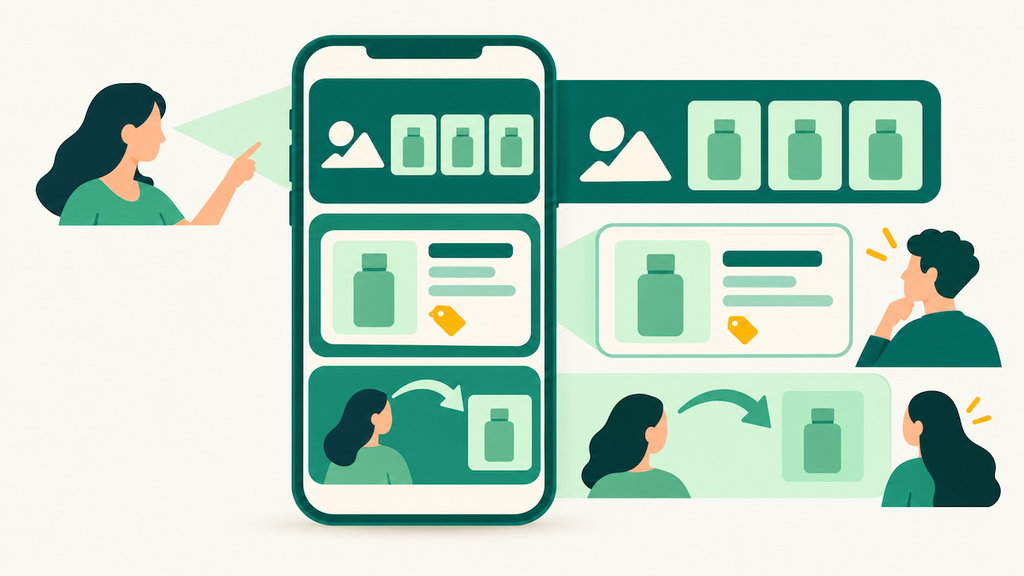
There’s no fee to advertise and no minimum spend. Your cost is the sum of your clicks, and what a click costs depends on your category and how many advertisers are bidding on the same searches. Competitive categories cost several times more per click than quiet ones. Our breakdown of what Amazon advertising costs covers typical ranges by category and how to build a budget.
The number that decides whether a click is affordable is your breakeven ACoS. ACoS (advertising cost of sale) is ad spend divided by the sales those ads produced. Your breakeven ACoS is the margin left on a sale after product cost and Amazon fees, before advertising. If a product sells for $40 and you keep $12 after costs and fees, your breakeven ACoS is 30%. Below 30%, ads make money on the sale. Above it, each ad-driven sale loses money unless it’s buying something else, like ranking during a launch.
ROAS (return on ad spend) is the same math flipped: sales divided by ad spend. A 25% ACoS equals a 4.0 ROAS. Use whichever one your team reads faster, but anchor both to breakeven.
When Amazon PPC Is Worth It
PPC pays off when four things are true:
- The listing converts. Ads send traffic; the listing turns it into sales. A product page with weak images, thin bullets, or a low rating will burn ad spend on clicks that don’t buy. Our listing optimization guide covers what to fix first.
- The margin covers the cost of a sale. If breakeven ACoS is 10%, there’s very little room for advertising in most categories. Fix pricing or costs first.
- You hold the Featured Offer. Amazon requires listings to be eligible for the Featured Offer (often called the Buy Box) to run Sponsored Products. If another seller keeps winning it on your listing, your ads can stop serving. Our guide to winning the Featured Offer covers the factors.
- Inventory can keep up. Ads stop when you’re out of stock, and the ranking you paid for slips with them.
When those hold, PPC does two jobs at once. It sells today, and the sales it drives build the history Amazon uses to rank your product organically. That second effect is why the right measure isn’t ACoS alone.
When It Isn’t Worth It Yet
Hold off or scale back when:
- The product has few or no reviews and a competitive category, and you aren’t ready to treat early ad spend as a launch investment. Our product launch playbook covers how to sequence that.
- Your breakeven ACoS is lower than what similar products in your category realistically run, even after the listing is fixed.
- You can’t commit to reviewing campaigns at least weekly. Unmanaged campaigns, especially broad and automatic ones, pile up spend on searches that never convert.
How to Tell If Your Amazon PPC Is Paying Off
Look at three numbers together:
- ACoS against breakeven, by product, to see whether ad-driven sales are profitable on their own.
- TACoS (total ad spend divided by total sales, organic included), to see whether advertising is growing the business or replacing sales you’d get anyway. Falling TACoS while sales grow is the clearest sign PPC is working. Our guide to ACoS and TACoS covers how to read the two together.
- Organic sales and rank on the keywords you advertise. If paid sales rise and organic sales on the same terms rise with them, the ads are building rank.
A campaign can show a high ACoS and still be worth running if it’s lifting organic sales, and a low ACoS can hide a business that’s becoming dependent on ads. Our metrics guide covers the rest of the numbers worth tracking.
How to Start
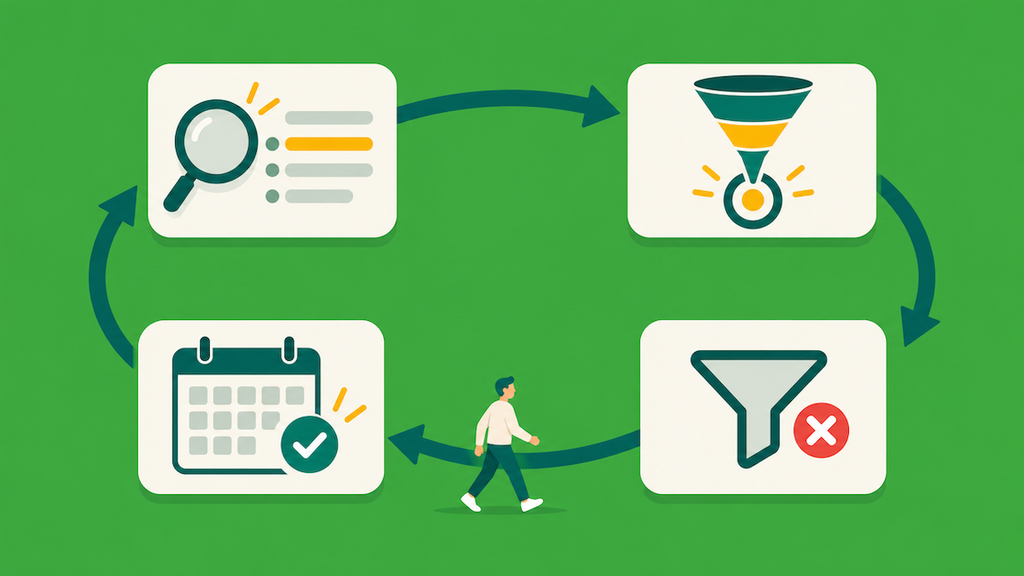
Start with one product that converts well and has healthy margins. Run an automatic Sponsored Products campaign for about two weeks to see which searches produce sales, then move the winners into manual exact-match campaigns with their own bids. Add searches that spend without converting as negative keywords. Review the search term report every week.
That’s the core loop. Our Amazon PPC strategies for 2026 cover the next layer of tactics, and our complete guide to Amazon PPC management covers the weekly routine, campaign structure, bidding, and when to bring in an expert.
How Canopy Can Help
We run Amazon PPC as part of the full account, so advertising decisions are made alongside listings, pricing, and inventory instead of in isolation. Every partner has a dedicated brand manager, and our reporting ties ad spend to TACoS, organic rank, and margin. With Meta and Google added through our acquisition of Area 6 Marketing, we can also coordinate Amazon ads with the traffic you drive from off Amazon. Our partners have generated more than $3.3 billion in revenue with an average 84% year-over-year profit increase and 99.1% partner retention.
Spending on Amazon Ads Without Knowing If They Pay Off?
Canopy's Partners Achieve an Average 84% Profit Increase!
Get My Amazon PPC ReviewFrequently Asked Questions
PPC stands for pay-per-click, meaning you pay each time a shopper clicks your ad rather than when it’s shown. On Amazon, the term usually refers to sponsored ads: Sponsored Products, Sponsored Brands, and display ads. Sellers also call it Amazon advertising, Amazon ads, or Amazon paid search.
Amazon doesn’t publish an average, and costs vary widely by category, season, and competition. The ad console shows a suggested bid range for each keyword, which is the best starting estimate for your own products. What matters more than the CPC itself is whether your conversion rate and margin can support it.
Amazon doesn’t say that advertising itself raises organic rank. What ads do is drive sales, and sales on a keyword are a major input to where a product ranks for it. That’s why advertising a product on its core keywords often lifts its organic position on those same keywords over time.
It can be, if you start narrow. Put a modest daily budget behind one or two of your best-converting products, set bids from your breakeven ACoS, and check the search term report weekly. Small sellers lose money on PPC mostly by advertising products that don’t convert or by letting automatic campaigns run unchecked.
PPC (sponsored ads) targets shoppers by what they search for and which products they view, and you pay per click. Amazon DSP buys programmatic display and video placements across Amazon and other sites, usually priced per thousand impressions, and targets audiences by shopping behavior. Most brands should get sponsored ads profitable before adding DSP.
A good ROAS is one above your breakeven, which depends entirely on margin. A product with a 25% breakeven ACoS breaks even at a 4.0 ROAS, so anything above 4.0 is profitable on ad-driven sales alone. Launch campaigns can run below breakeven on purpose to build ranking, as long as it’s a planned, time-limited choice.
ABOUT THE AUTHOR

CANOPY Management
Related Contents
- Selling On Amazon

- Amazon Agency
- Selling On Amazon
- Amazon Advertising
- Selling On Amazon