What Are Amazon Branded Conversations? How Brands Get Into Alexa for Shopping Answers
Amazon Branded Conversations turn Sponsored Brands prompts into Alexa for Shopping chats in January 2027. How it works, what it costs, and how to prepare.

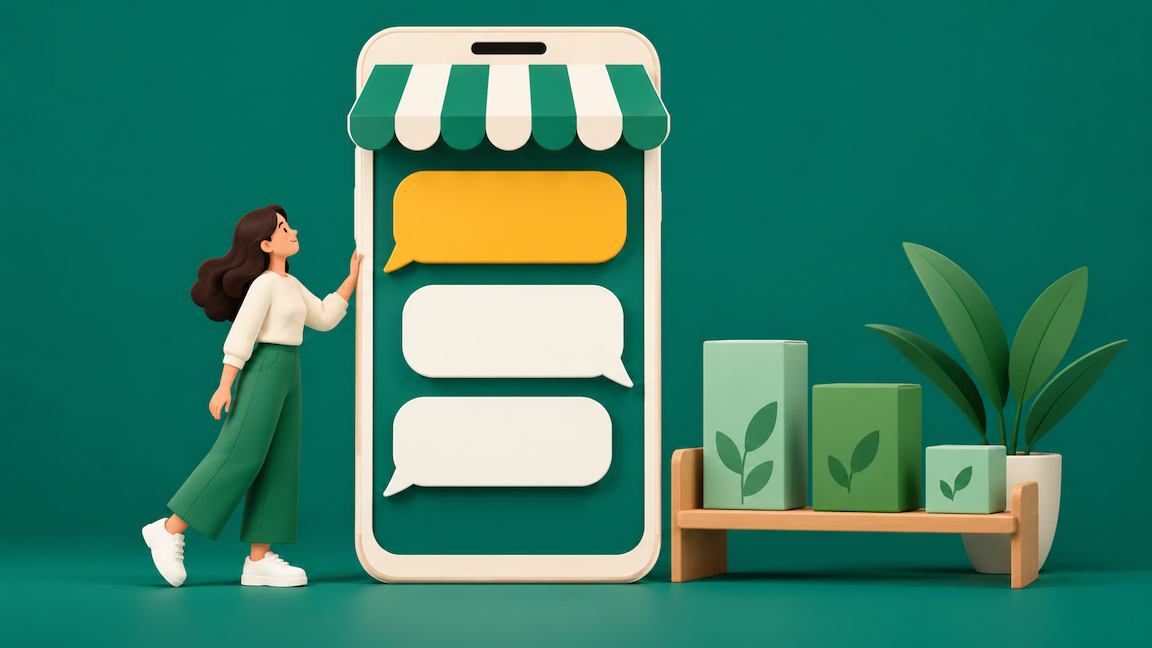
Amazon Branded Conversations is a new Sponsored Brands feature that turns a sponsored prompt into a back-and-forth conversation inside Alexa for Shopping, Amazon’s AI shopping assistant. When a shopper taps a prompt on your Sponsored Brands collections ad, the conversation that follows draws on your catalog and on content you supply, such as product guides, compatibility information, and usage tips, to help the shopper pick the right product.
It launches in the US in January 2027. Eligible Sponsored Brands collections campaigns are enrolled automatically, and you pay cost per click only on the prompt that starts the conversation. Follow-up turns are free.
So how does a brand get into those answers? Through a Sponsored Brands collections campaign, with two inputs that depend on each other: the campaign-level brief you write to tell the conversation what sets your products apart, and the catalog content Amazon says the conversation also draws on. A sharp brief on top of thin detail pages leaves the conversation with less to work with.
How Branded Conversations Works
Here’s what Amazon has published so far:
- Where it runs: inside Alexa for Shopping, which Amazon launched in May 2026 by bringing together Rufus and Alexa+. Alexa for Shopping is available to US customers on the Amazon Shopping app, the website, and Echo Show devices, though Amazon hasn’t said which of these will show Branded Conversations. Our guide to Alexa for Shopping covers what changed for listings when it arrived.
- How it starts: a shopper taps a prompt on your Sponsored Brands collections ad and enters a multi-turn conversation.
- What it draws on: “your catalog and brand-supplied content,” with the conversation “personalized to their preferences and purchase history.”
- Setup: none. “Eligible Sponsored Brands collections campaigns are automatically enrolled,” and the feature builds on your existing campaigns, targeting, and budgets.
- Cost: “You’re only charged CPC on conversation-starter prompts; follow-up turns are free.”
- Who can use it: Amazon says “all US Endemic Amazon advertisers using Sponsored Brands ads,” starting with collections.
- Controls: you can pause individual Branded Conversations, add campaign-specific inputs, see performance reporting in the console and the API, and opt out at the campaign or account level.
Collections campaigns are the entry point, so their requirements apply. Amazon says collections are open to “Any advertiser enrolled in Amazon Brand Registry with three or more related products in their catalog,” and each ad features 3 to 10 related products, either picked by you or grouped automatically by Amazon.
What Changes From Sponsored Brands Prompts
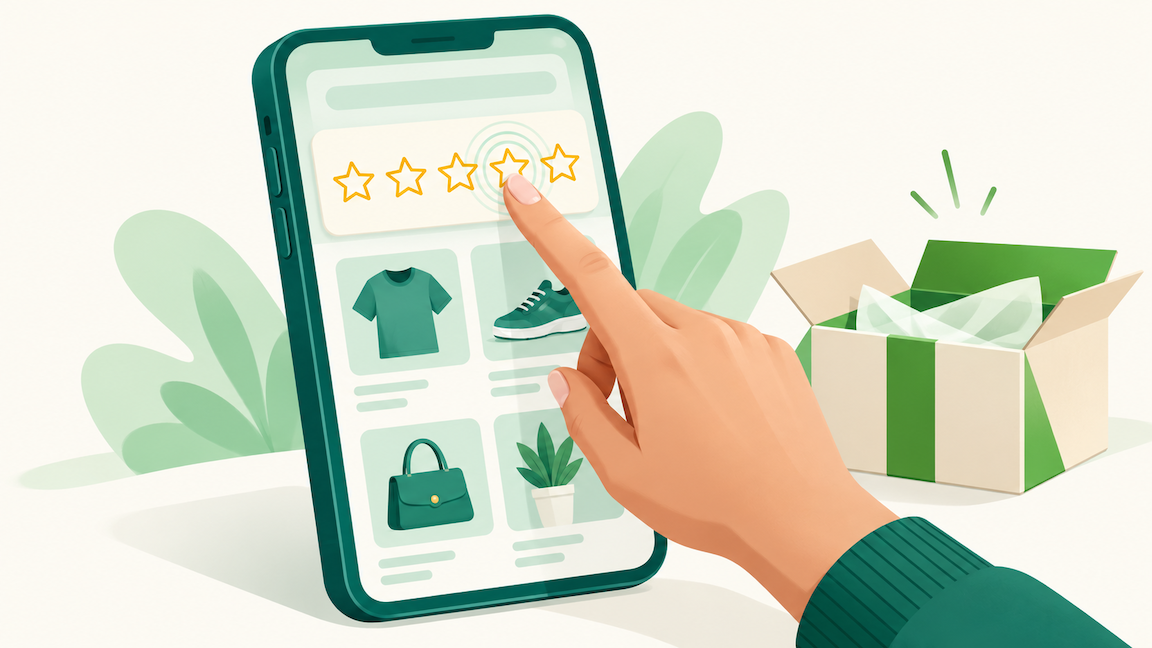
Branded Conversations grows out of a format you may already be paying for. Sponsored Products prompts and Sponsored Brands prompts are what Amazon calls “AI-powered conversational ads that offer clickable product information or frequently asked questions.” They became generally available in the US on March 25, 2026, and our post on Amazon’s AI prompts covers how they work.
Today, tapping a prompt can open a conversation with Alexa for Shopping built from what Amazon calls “first-party signals from a brand’s detail pages, Brand Store, campaign data, and more.” Branded Conversations adds “brand-provided expertise” on top of those signals. Amazon’s example is a skin care brand that explains which cleanser is best for oily skin, sensitive skin, and beginners building a first routine, and which complementary products, such as toners, serums, moisturizers, and sunscreens, round out the routine. A shopper who taps a prompt like “Help me build a daily routine” can then get answers shaped by that information.
Amazon says that in early testing, nearly 20% of shoppers who interacted with a Sponsored Brands prompt continued the conversation about that brand. Branded Conversations is designed to keep that momentum going for the whole conversation, however long it runs. And since follow-up turns are free, a long conversation costs the same as a short one: one click. Your bid gets the shopper in, and the brief and your catalog shape how the conversation goes.
What to Put in the Campaign-Level Brief
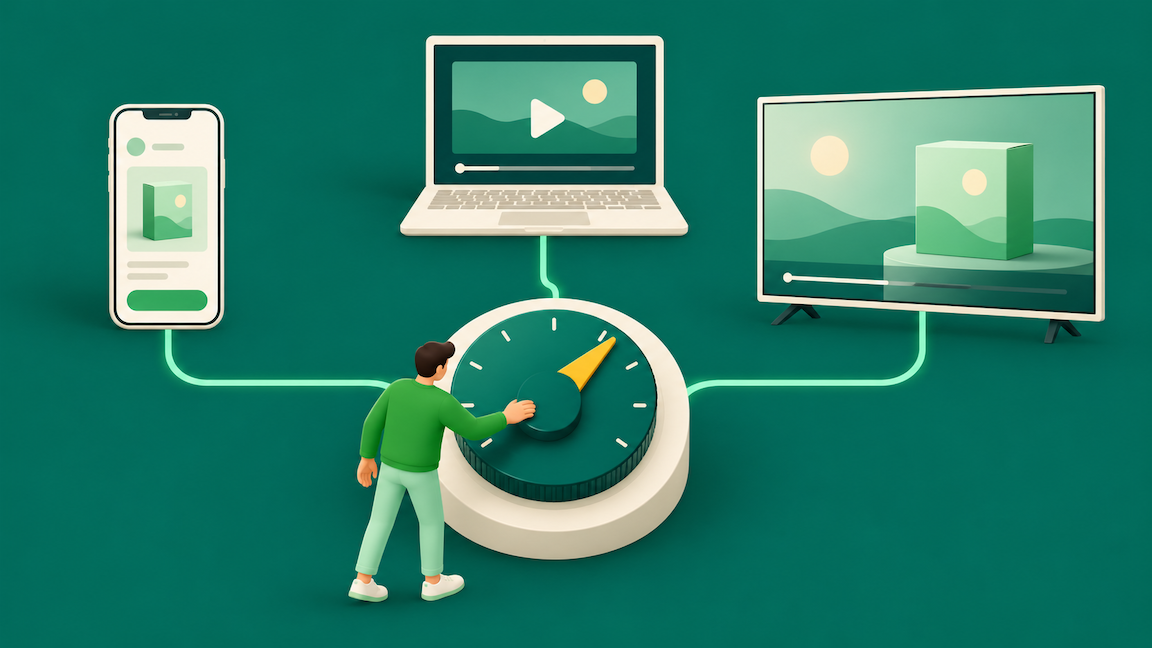
AAmazon says brands can shape conversations “through a campaign-level brief to highlight brand and product differentiators, educate shoppers on a new launch, map products to customer needs, or suggest complete routines.” Each of those deserves its own short section in your brief:
- Differentiators. Write the two or three facts a shopper needs to choose your product over the one next to it: materials, dimensions, what’s in the box, certifications you can document. Facts give the conversation something to say. Adjectives don’t.
- A new launch. Say what changed from the previous version, who should upgrade, and who’s fine with what they have.
- Products mapped to needs. “If you have sensitive skin, start with this one.” Include who each product is wrong for. A good store employee tells you when something won’t fit, and that honesty is what makes a recommendation believable.
- Complete routines. List what goes together and in what order, like a cleanser, then a toner, a serum, a moisturizer, and sunscreen.
Because the brief is set per campaign, campaign structure starts to matter in a new way. A collections campaign that mixes unrelated products can only carry a vague brief. Group collections around a customer need or a product line so each brief can be specific. With manual collections you pick the products yourself. With automatic collections, Amazon groups products based on your keyword targets and shopper searches, so you steer them through targeting and product exclusions.
One rule for all of it: write nothing in the brief that your detail page can’t back up. A conversation that promises something the listing contradicts buys you a click that ends in a return.

Your Detail Pages Do Most of the Talking
The brief is the part you write for the ad. Much of the rest of what the conversation knows comes from content you already have, alongside what Alexa for Shopping knows about the shopper. Amazon says Branded Conversations draws on “your catalog and brand-supplied content,” and the prompts it grows out of are built from your detail pages, Brand Store, campaign data, and more. Alexa for Shopping itself, Amazon says, combines “deep product knowledge, in-depth information from across the web” with what it knows about the shopper.
Our view: Branded Conversations is answer engine optimization with a budget attached. The conversation draws on your catalog, so gaps in your listings become gaps in your ads. If neither your bullets nor your brief say which models a part fits, the conversation has to guess or look elsewhere for the answer. In practice:
- Answer the questions shoppers already ask. Read your customer questions and your return reasons. Anything that comes up repeatedly belongs on the detail page in plain words.
- Write compatibility, sizing, and usage into the text. Put them in the bullets and description, and don’t leave them only in images.
- Use A+ content to map products to needs. A comparison chart is a natural place to show which product fits which shopper. Our guide to A+ content that converts covers what earns its space.
Our Amazon AI optimization guide goes deeper on how Alexa for Shopping decides what to recommend.
What Amazon Hasn’t Said Yet
Branded Conversations doesn’t launch until January, and several practical details aren’t public yet:
- What the brief looks like. Amazon names a “campaign-level brief” and “campaign-specific inputs” but hasn’t shown the field, its length limit, or whether Amazon reviews what you write before it runs.
- What reporting will show. Amazon’s announcement describes a prompts view listing each clicked prompt with metrics such as impressions, clicks, and orders. It hasn’t said whether you’ll see how many turns a conversation ran, what the shopper asked, or which product the conversation recommended. API documentation is due “closer to launch.”
- Whether other brands can come up. Amazon describes the conversation as helping shoppers understand “what sets your products apart.” It hasn’t said outright whether a competitor’s product can appear in it.
- The exact launch date. Amazon says January 2027 and hasn’t given a specific day.
How to Prepare Before January
- Run at least one Sponsored Brands collections campaign. If you don’t have one, set it up now, so you know how it performs on its own before conversations are added on top. Our Sponsored Brands guide covers the formats and setup.
- Regroup collections around needs. One campaign per customer type, routine, or product line makes each brief specific. Use manual collections where you need to control exactly which products sit together.
- Draft each brief now. Write a one-page document per campaign covering differentiators, any launch, products mapped to needs, and routines. When the field appears in the console, you paste instead of starting from scratch.
- Close the gaps on your detail pages. Answer compatibility, sizing, and usage questions in text before January.
- Pull a baseline from your current prompts. Note which Sponsored Brands prompts get clicks and orders today, so you can tell whether conversations improve on them.
- Decide where to opt out. For products where a wrong answer is expensive, such as parts that have to fit a specific model, consider opting those campaigns out until you’ve seen how conversations handle your simpler products.

How Canopy Approaches Branded Conversations
We’ll treat Branded Conversations as an ad project and a content project at the same time. The brand managers who run a partner’s Sponsored Brands campaigns will write the briefs from the same listing content they already maintain, so the brief and the detail page say the same thing.
We’ll judge it on cost per order from conversation-starter clicks, compared with the same campaigns before conversations started, and we’ll start with the products that have the cleanest listings. The approach sits inside the advertising work our Amazon PPC management guide describes.
Canopy is a full-service omnichannel marketing agency. Our partners have generated $3.3 billion in revenue, with an average 84% year-over-year profit increase and 99.1% partner retention.
Frequently Asked Questions
Yes. Amazon says Branded Conversations “are clearly marked as Sponsored within Alexa for Shopping.” It hasn’t said whether the label repeats on every turn of a conversation. Assume shoppers know they’re talking to an ad, and write the brief accordingly.
Amazon says it starts with Sponsored Brands collections and will expand “to additional formats,” without naming them or giving dates. Amazon hasn’t announced any change to Sponsored Products prompts, which it began charging for as part of cost-per-click bidding when they became generally available on March 25, 2026.
Not at launch. Amazon lists the United States as the only marketplace and hasn’t announced plans or dates for others. Brands selling in Canada, the UK, or Europe can’t use it there yet.
In the console, go to Campaign, then Ad Group, then Ads, then the Prompts tab. Amazon says it lists prompts that have received a click, with the prompt text, the associated ad, and metrics such as impressions, clicks, and orders. For more detail, Amazon’s instructions say to create a report under the Sponsored Products category and choose Prompts as the report type, which adds click-through rate, cost per click, spend, sales, ACOS, and ROAS.
No. Amazon excludes authors from Branded Conversations, and it excludes authors and publishers from Sponsored Products and Sponsored Brands prompts.