Prime Big Deal Days, October 6 to 7, 2026, vs. the same event in 2025
Fewer shoppers showed up than expected. It didn’t matter. During Prime Big Deal Days on October 6 and 7, 2026, a body care brand known for its body butters grew sales 40% on the same event a year earlier and set its best fall event yet. The secret was conversion: three times the brand’s normal rate, with ad costs holding steady as a share of sales.
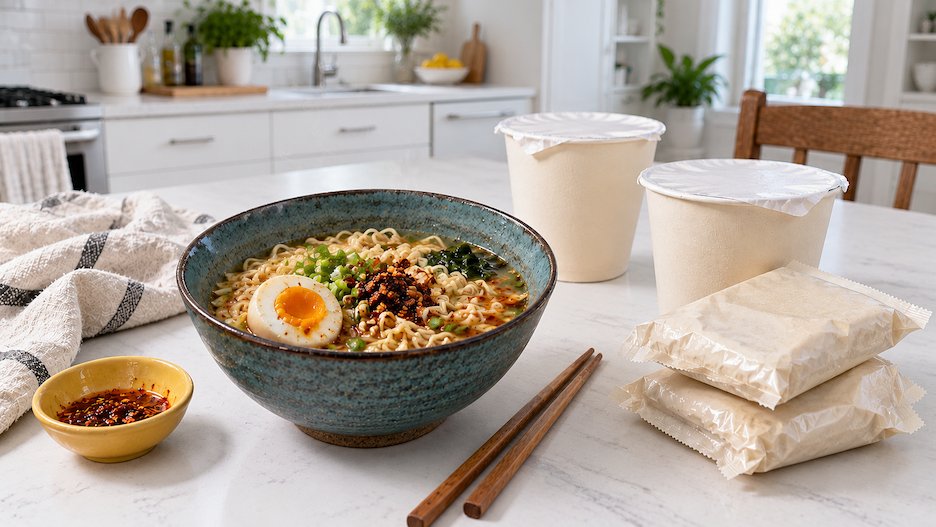
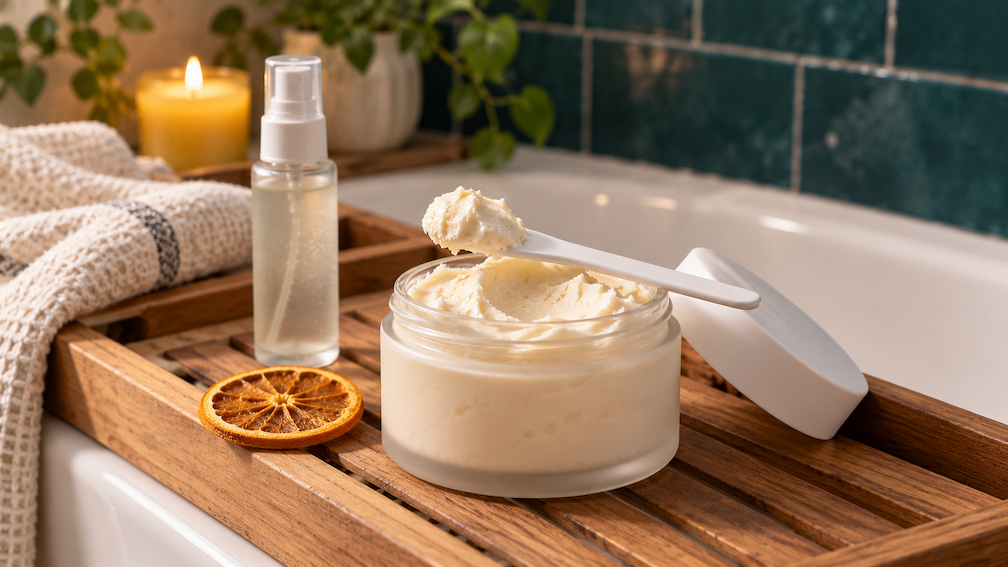
The partner sells body butter, body mist and body wash on Amazon in the US and Canada. Body care is bought on scent and feel, which shoppers cannot test online, so reviews, images and price do most of the persuading. The team had seen a 20% deal convert noticeably better on search than a 15% one, and that shaped the event plan.
Event sales rose 40% on the 2025 event, the brand’s best fall event so far. Sales ran three times an average day, and so did the conversion rate, even though fewer shoppers arrived than expected. Body butters were six of the eight best-selling products. Body mist, a smaller line, sold three times its usual units, from 20 a day to 60 or more.
Source: Amazon Seller Central, Prime Big Deal Days 2026, from the brand’s review after the event. Figures rounded.
Source: Amazon Seller Central. Sales shown as an index to protect the partner’s data. Figures rounded, each in the less flattering direction.
A 20% discount costs more per unit than 15%. If it also triples conversion, though, each ad click is far more likely to become a sale, so the advertising behind the event gets cheaper per order. That is why ad costs could hold steady as a share of sales while sales grew 40% on lighter traffic than planned.
Without the earlier sign that 20% converted better, the safer-looking 15% would have been the obvious pick.
You can’t control how many shoppers show up. You can control how many of them buy.
| Metric | Result | Compared with |
|---|---|---|
| Event sales | +40% | Prime Big Deal Days 2025 |
| Event sales per day | 3x | an average day |
| Conversion rate | 3x | the brand’s normal rate |
| TACoS and ACoS | steady | normal levels |
| Body mist units | 3x | 20 a day normally |
| Event discount | 20% | 15% converted less well |
All figures rounded, each in the less flattering direction. Results are reported as ratios and percentages to protect the partner’s data.
If we could ask one thing of every brand heading into an event, it would be this: stop picking the discount by gut feel. Plenty of teams pick 15% because it feels safe on margin, and never find out what 20% would have done. This brand had seen the difference on its own search terms, and the deeper deal converted three times as often as a normal day.
The test is simple. Run two discount levels on the same products, a few weeks apart, and watch conversion on search, not just sales. If the deeper discount lifts conversion by more than it costs in margin, it is the cheaper option on event day, because every ad click you buy is more likely to turn into an order. And on the morning of day one, check that every product you meant to include is in the promotion. One missed line here cost the body washes their deal price for all of day one.
It depends on the product. For this brand, 20% converted noticeably better on search, enough to pay for the extra discount. Compare both levels on your own products before deciding.
Event shoppers arrive ready to buy, and a strong deal removes their reason to wait. Products with good reviews and a visible discount turn far more visits into orders than on a normal day.
Fix it as soon as you notice. Add it to the promotion or set the deal price in Seller Central. Checking every product on the morning of day one catches most of these mistakes early.
Yes. Body care is a common gift and a regular repurchase, so October deals catch both holiday shoppers and existing customers stocking up.
Yes. Canopy brand managers use past results and tests to choose discount levels with the partner before each event.
Canopy’s Partners Achieve an Average 84% Profit Increase!
Every result above came out of Canopy’s Amazon PPC management, run by the same brand manager before, during and after each event. Or browse every partner result.

*Due to high demand we are first-come, first-serve