Prime Big Deal Days, October 6 to 7, 2026, vs. the same event in 2025
Two of the biggest names in baby gear sell the same kind of product. This small brand couldn’t outspend them, so it closed the price gap instead. Over Amazon’s Prime Big Deal Days, October 6 and 7, 2026, its portable breast milk coolers grew sales 48% and orders 67% on the same event a year earlier, with advertising at under 4% of sales. Day two finished 75% ahead of its 2025 match.
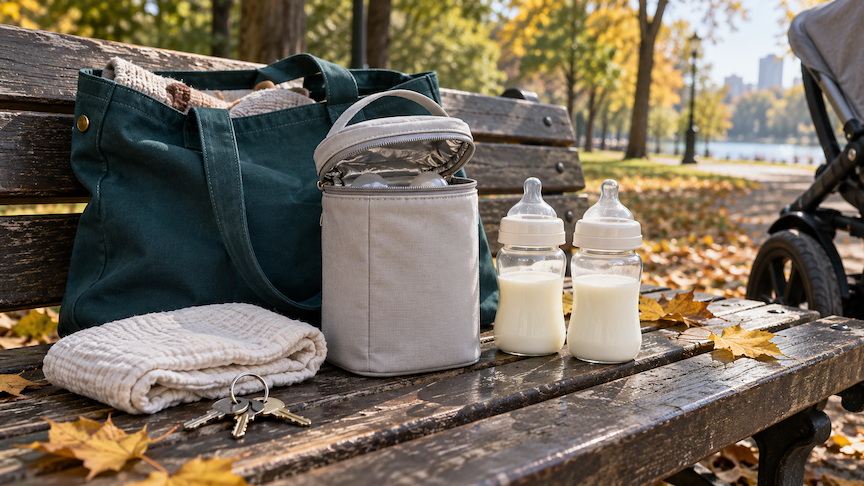
The partner sells portable coolers that keep breast milk cold for hours away from a fridge, a product parents compare closely before they buy. Two much larger baby brands sell competing coolers on Amazon, and during an event their deal prices set the bar shoppers judge everything else against.
The brand’s ad budget was small, planned at $1K a day for the event. Most of its sales already came without ads, so the event had to win on price and conversion more than on ad volume.
Day one finished 25% ahead of the same day in 2025. Day two finished 75% ahead. Across both days, sales rose 48% and orders rose 67%, with TACoS under 4%. Three versions of the cooler showed the strongest growth.
Source: Amazon Seller Central, Prime Big Deal Days 2026 vs. 2025. Shown as an index to protect the partner’s data. Figures rounded down.
Across the event week, the conversion rate doubled on the week before, from 10.3% to 20.9%, and ACoS fell from 18.2% to 12.2%. More of the shoppers who reached the page bought, and each ad dollar went further.
Source: Amazon Seller Central and Amazon Ads. Sales and orders against Prime Big Deal Days 2025; conversion and ACoS for the event week against the week before. Figures rounded, each in the less flattering direction.
Orders rose 67% while sales rose 48%, so the average order was worth 11% less than a year earlier. That was the price change at work. The brand gave up a few dollars per cooler to close the gap with the brands shoppers knew best, and in return it won many more orders.
With most sales coming from outside ads, the price did the heavy lifting the ad budget could not. Conversion doubling during the event week is the clearest sign: far more of the shoppers who reached the page chose this brand.
You can’t outspend the giants. You can make the choice easy. Close the price gap and let the product do the rest.
| Metric | Result | Compared with |
|---|---|---|
| Day one sales | +25% | day one, Prime Big Deal Days 2025 |
| Day two sales | +75% | day two, Prime Big Deal Days 2025 |
| Two-day sales | +48% | Prime Big Deal Days 2025 |
| Two-day orders | +67% | Prime Big Deal Days 2025 |
| TACoS | under 4% | event days |
| Conversion rate, event week | 20.9% | 10.3% the week before |
| ACoS, event week | 12.2% | 18.2% the week before |
All figures rounded, each in the less flattering direction. Year-over-year results are shown as percentages to protect the partner’s data.
Three checks before your next event.
First, write down the event prices of the two or three products shoppers compare you against. If yours is clearly higher, more ad spend will mostly pay for clicks that end in someone else’s cart. Second, track orders and sales separately. If orders grow faster than sales, your price is winning comparisons; then check that the margin still works. Third, plan the week after the event before it starts. Cart abandoners and recent visitors are the cheapest shoppers to bring back.
A small brand cannot outspend the big ones during an event. It can still be the better buy on the page.
It is a discount a brand can send to a chosen group of shoppers, such as people who left a product in their cart or bought before. It lets you bring back interested shoppers without cutting the price for everyone.
If shoppers compare the products side by side and your margin can carry it, matching can win more of those comparisons than extra ad spend. Check the margin per unit at the event price first, including returns.
Shoppers arrive ready to buy, and a strong deal price removes their last reason to wait. If your price is competitive with the alternatives on the page, more visitors become buyers.
Bring back shoppers who showed interest but did not buy, with remarketing ads and targeted promotions. Lower your daily ad budget to match normal traffic, and watch returns from event orders.
Yes. Canopy brand managers set event plans to the partner’s budget and margin, including pricing and promotions beyond advertising.
Canopy’s Partners Achieve an Average 84% Profit Increase!
Every result above came out of Canopy’s Amazon PPC management, run by the same brand manager before, during and after each event. Or browse every partner result.

*Due to high demand we are first-come, first-serve