Prime Big Deal Days, October 6 to 7, 2026, vs. the same event in 2025
Stock on one of its main products was running low, so this instant noodle brand made a call that takes nerve: it kept the product off deal. For Amazon’s Prime Big Deal Days, October 6 and 7, 2026, the 9-pack sat out, two other flavors stepped up, and sales still rose 7% on the same event a year earlier, to $21.6K. On day one, $862 in ads sat behind $11.5K in sales, and four of every five dollars came in without an ad click.
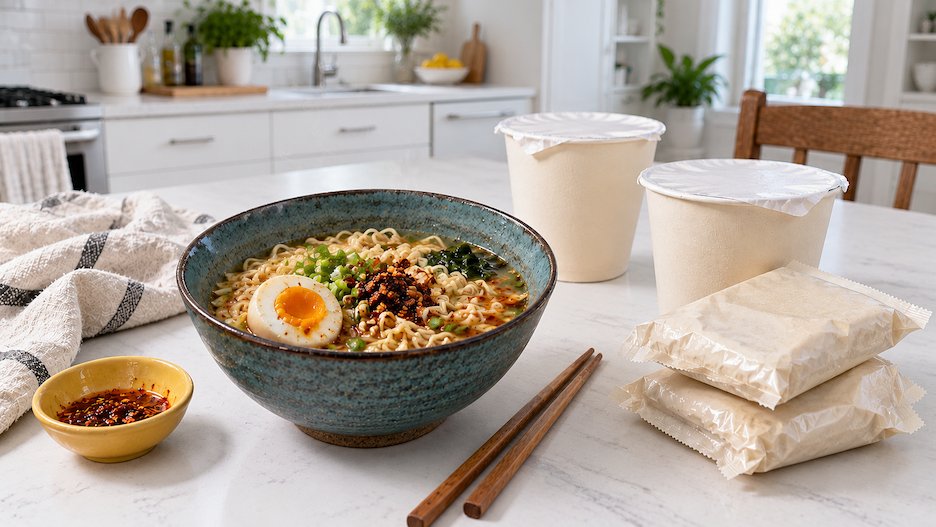
The partner sells instant ramen, cup noodles and noodle bowls on Amazon. One of its main products is a 9-pack, and stock was running low, with the next shipment not due on Amazon until late November. By mid-October it was down to its last 200 units. Putting it on deal would have sold through what was left, leaving the brand without it in the weeks before the holidays and costing it the ranking it had built.
Day one brought in $11.5K from 623 orders. Only 107 of those orders came from an ad click, and ads accounted for $2.4K of sales, a ROAS of 2.7 and a TACoS of 7.5%. The other $9.1K, 79% of the day, came from shoppers who found the brand on their own. Across both days, the event brought in $21.6K from 1,175 units, up 7% in sales and 5% in units on the 2025 event, without the 9-pack on deal. The two flavors on deal saw large lifts and picked up demand that would otherwise have gone to the 9-pack.
Prime Big Deal Days, day one, October 6, 2026 · ad-attributed sales in grey, all other sales in teal
Source: Amazon Seller Central and Amazon Ads, day one report, October 6, 2026. Figures rounded.
Source: Amazon Seller Central and Amazon Ads. Event totals and year-over-year growth from the post-event review; day one figures from the day one report. Figures rounded, each in the less flattering direction.
Many brands put their best-known products on deal for every event, because those are what shoppers already want. When stock is short, that habit costs twice: the product sells out at a discount, then the brand misses full-price sales and loses ranking while it is out of stock.
Here the brand kept its 9-pack in stock and still grew the event. Most of day one’s sales came without an ad, which suggests shoppers were finding the deals on the other flavors through search and the deal pages on their own. The ad budget only had to add to that, which is why TACoS stayed at 7.5% on the biggest day of the fall.
Your star doesn’t have to play every game. Sometimes the win is keeping it healthy for the holidays.
| Metric | Result | Compared with |
|---|---|---|
| Event sales, two days | $21.6K | $20.2K, Prime Big Deal Days 2025 |
| Event units, two days | 1,175 | 1,120, Prime Big Deal Days 2025 |
| Day one sales | $11.5K | 79% without an ad |
| Day one ad spend | $862 | TACoS 7.5% |
| Day one orders | 623 | 107 from ads |
| Day one ACoS and ROAS | 36.2% / 2.7 | ad-attributed sales only |
| Day one ad conversion rate | 12.7% | orders per ad click |
All figures rounded, each in the less flattering direction. 2025 figures derived from the reported growth rates.
Three checks before your next event.
First, compare each deal product’s stock with its expected event sales plus the weeks after. If a product would sell out, keep it off deal or cap the quantity. Second, choose the products with stock that shoppers in the same search would happily buy instead, and put the deal there. Third, raise the price on a low-stock product after the event if a new shipment is weeks away. It slows sales enough to avoid a stockout and protects the product’s ranking.
An event can grow a brand without one of its main products, if the deal sits on products that can take the traffic.
Only if you have enough stock for the event and the weeks after. If the product would sell out, keep it at full price or cap the deal quantity, and put the deal on related products with healthy stock.
Sales stop, ads stop serving and the product loses sales history, so its search ranking usually drops. Rebuilding it after restocking can take weeks and extra ad spend.
ACoS only counts sales Amazon credits to ads. When most sales come without an ad click, ACoS can look high while ad spend is a small share of total sales. TACoS shows that full picture.
Yes, especially products shoppers stock up on, like multipacks and pantry staples. Deals give regular buyers a reason to buy more at once and new buyers a reason to try a flavor.
Yes. Canopy brand managers check stock before choosing deal products and adjust prices and deals to avoid selling out before the holidays.
Canopy’s Partners Achieve an Average 84% Profit Increase!
Every result above came out of Canopy’s Amazon PPC management, run by the same brand manager before, during and after each event. Or browse every partner result.

*Due to high demand we are first-come, first-serve