What Are Amazon Full-Funnel Campaigns, and Are They Worth It?
Amazon Full-Funnel Campaigns run sponsored ads, display, video, and streaming TV as one AI-run campaign. What you control, what it costs, how to test it.

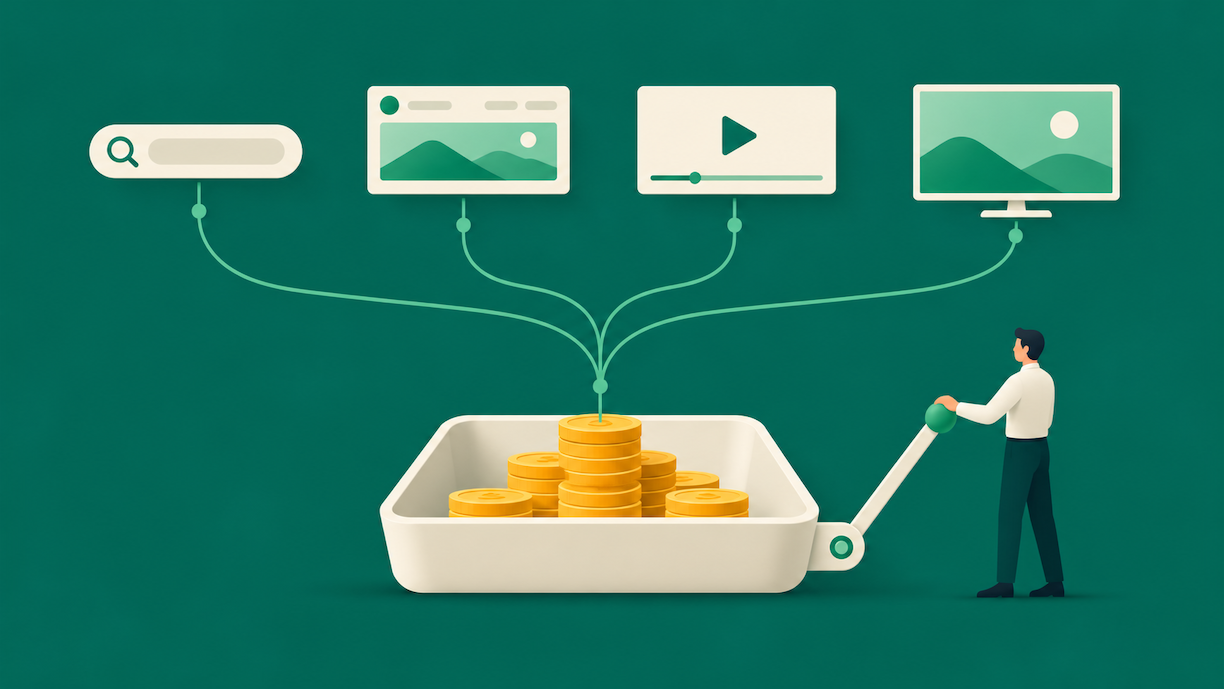
Amazon Full-Funnel Campaigns is a new Amazon Ads campaign type that runs sponsored ads, display, video, and streaming TV as one AI-optimized campaign with one budget. You set your products, a daily budget, an optional ROAS threshold, and creative. Amazon’s AI then picks the formats and moves the budget between them in real time. It has been in open beta since September 29, 2026, for any US advertiser who sells on Amazon, and it runs alongside the campaigns you already have.
Is it worth it? For brands whose sponsored ads already run well, it’s worth a contained test. The trade is control for reach: you stop deciding where each dollar goes, and in return you get streaming TV and video without building and managing them separately. Amazon’s beta results look strong, but its Long-Term Sales metric includes a 12-month estimate, so judge a test on numbers you track yourself.
How Full-Funnel Campaigns Work
Here’s what Amazon has published so far:
- What you set: “your products, budget, ROAS threshold, and creatives (or use our creative tools).” The ROAS threshold is optional.
- What Amazon’s AI decides: “selecting formats, allocating budget across funnel stages in real time,” and “continuously optimizing toward sales growth.” It finds audiences using Amazon’s first-party shopping signals.
- Where the ads can run: in Amazon’s shopping results and on product pages, on other Amazon-owned and third-party sites and apps, and across online video and streaming TV.
- Creative: built-in tools generate images and “TV-ready video” during setup, and you approve the creative before the campaign launches.
- Your other campaigns: Full-Funnel Campaigns “runs alongside existing campaigns,” so you don’t rebuild your current structure to try it.
- Who can use it: US advertisers selling products in the Amazon store, sellers enrolled in Amazon Brand Registry, vendors, and agencies managing brands that sell on Amazon.
It’s one of three campaign types in Amazon Ads Agent, the new name for Amazon’s unified advertising platform. The other two are sponsored ads and Display, Video, and Audio, which is where DVA+ sits. Our guide to Amazon DVA+ covers that one.
What It Costs
You set a daily budget, and Amazon’s AI spreads it across formats. Amazon says you’re charged “on a cost-per-click (CPC) or cost-per-mille (CPM) basis depending on where your ad is served.” There are “no upfront fees or additional charges for orchestration or AI-powered creative generation.” You can change the daily budget at any time.
Two practical points. First, depending on where ads serve, part of the budget may be billed per thousand impressions rather than per click. Sellers used to judging every dollar by its clicks will need to judge this campaign by sales and new customers instead. Second, Amazon’s FAQ says “A minimum daily budget applies” but doesn’t give the amount. Confirm it in the campaign builder or with your Amazon Ads contact before you plan a test.
The Control Trade-Off
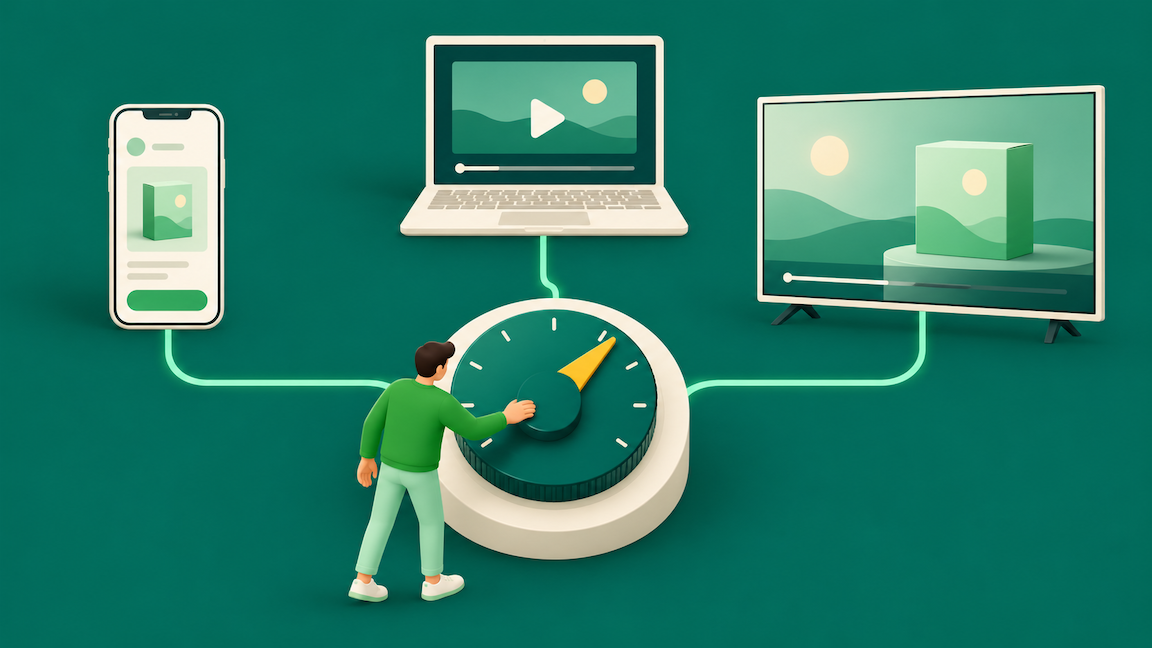
This is the decision at the center of Full-Funnel Campaigns. Here’s who decides what:
| You decide | Amazon’s AI decides | |
| Products | Which products the campaign promotes | Which shoppers see them |
| Budget | The daily total, changeable any time | How it splits across formats and funnel stages, in real time |
| Efficiency | An optional ROAS threshold | Continuous optimization toward sales growth |
| Creative | Your own assets, or approval of generated ones | Which format each shopper sees |
Amazon’s case for giving up that control is shared signals. In its words, “a streaming TV ad can help a sponsored ad perform better, and vice versa.” Amazon says early beta advertisers saw “67% higher Long-Term ROAS” on average and acquired new-to-brand customers at “29% lower cost per purchase.” It describes the comparison two ways, though. The announcement compares against “the same formats configured independently.” Its footnote compares against “the blended average of other campaign performance across beta advertisers,” from June to August 2026. Treat both figures as Amazon’s beta claims until you’ve run your own test.

Long-Term Sales Is an Estimate
The metric to understand before you judge a campaign is Long-Term Sales. Amazon says it “captures both immediate conversions and the estimated future value from new-to-brand customer actions over 12 months.” So Long-Term Sales includes sales that haven’t happened yet, and Amazon’s long-term ROAS figures appear to be built on it.
That’s a reasonable way to value new customers, but it means the campaign’s long-term numbers are partly a forecast. Amazon gives you a way to check it. Its accumulated sales report compares estimated Long-Term Sales with the sales your campaign cohorts produce over time, so you can see whether the estimate held up. Use that report, and judge the first months on sales you can already see.
What Amazon Hasn’t Said Yet
- The minimum daily budget. Amazon confirms there is one but doesn’t give the figure on its product page or launch announcement.
- How it handles overlap with your existing campaigns. Amazon says Full-Funnel Campaigns runs alongside them. It hasn’t said what happens when both bid for the same shopper on the same product.
- How much detail reporting gives by format. Amazon describes “a unified view of performance across formats.” It hasn’t said whether you’ll see how the budget was split between formats.
- When the beta ends, or whether it comes outside the US. Amazon lists the United States as the only marketplace.
Who Should Test It Now
Full-Funnel Campaigns makes the most sense for brands that have the basics working: sponsored ads running at a margin you’re happy with, listings that convert, and enough stock to absorb new demand. It’s a reasonable test if:
- You want new-to-brand customers and your sponsored ads mostly capture shoppers who already search for you.
- You’ve wanted streaming TV or video without building and managing those campaigns yourself. Our post on streaming TV for mid-market brands covers when that channel pays off.
- You can fund at least a month, covering Amazon’s learning period of “approximately two weeks” plus enough time after it to read results.
It’s a weaker fit if your listings still need work, if your margins require keyword-level control over every dollar, or if your budget would barely clear the minimum. Sponsored ads you manage yourself still give you that control. Our framework for choosing between Sponsored Products, Brands, and Display covers how the formats fit together.

How to Run a First Test
- Pick a product set where you want new customers and have the inventory to sell more.
- Record a baseline for those products over the last four weeks. Track total sales, new-to-brand customers, total advertising cost of sales (TACoS), and what your existing sponsored ads spend and earn on them.
- Set a budget you’d accept spending to learn, and decide whether to add a ROAS threshold as a floor.
- Leave your existing campaigns alone and keep watching them. If their sales on the same products fall while Full-Funnel Campaigns reports sales, the new campaign may be taking credit for sales you’d have made anyway.
- Wait out the learning period before you change anything.
- Judge on total product sales and TACoS first, then new-to-brand customers, and treat Long-Term Sales as a forecast to check against the accumulated sales report later.
How Canopy Approaches Full-Funnel Campaigns
Most of our work for partners is sponsored ads and listing optimization, and that’s where we’d start any account before adding upper-funnel spend. When a partner is ready for more reach, we treat Full-Funnel Campaigns as a contained test on one product set, with success defined up front in total sales, TACoS, and new-to-brand customers. The same brand managers run the partner’s sponsored ads, so they can see whether the new campaign adds sales or just shifts credit from search. Our Amazon PPC management guide covers how that work fits together.
Canopy is a full-service omnichannel marketing agency. Our partners have generated $3.3 billion in revenue, with an average 84% year-over-year profit increase and 99.1% partner retention.
Frequently Asked Questions
No. DVA+ covers display, online video, and streaming TV, with audio coming, and bills per thousand impressions. Full-Funnel Campaigns adds sponsored ads to the mix and bills per click or per thousand impressions depending on where each ad serves. Both are part of Amazon Ads Agent: Full-Funnel Campaigns is its own campaign type, and DVA+ sits within the Display, Video, and Audio campaign type.
No. New Product Campaigns, announced in January 2025, is a managed service in which Amazon Ads plans and runs a 30, 60, and 90-day media plan for a product launch. Full-Funnel Campaigns is self-service: you set it up yourself in the console, and Amazon’s AI runs it.
US advertisers who sell on Amazon. Amazon’s eligibility list names advertisers selling products in the Amazon store, sellers enrolled in Brand Registry, vendors, and agencies managing brands that sell on Amazon. It doesn’t say Brand Registry is required for every seller.
Amazon says the AI optimizes over “an initial learning period of approximately two weeks,” so don’t evaluate before then. Immediate sales and new-to-brand customers are readable after that. Long-Term Sales projects 12 months ahead, so checking it against real sales takes months.
No. Amazon lists the United States as the only marketplace and hasn’t announced plans for others.