A Federal Court Just Let AI Agents Shop Amazon on Your Behalf
The Ninth Circuit let Perplexity’s Comet back on Amazon. The ruling matters less than what Amazon told the court about agent traffic and your ads.

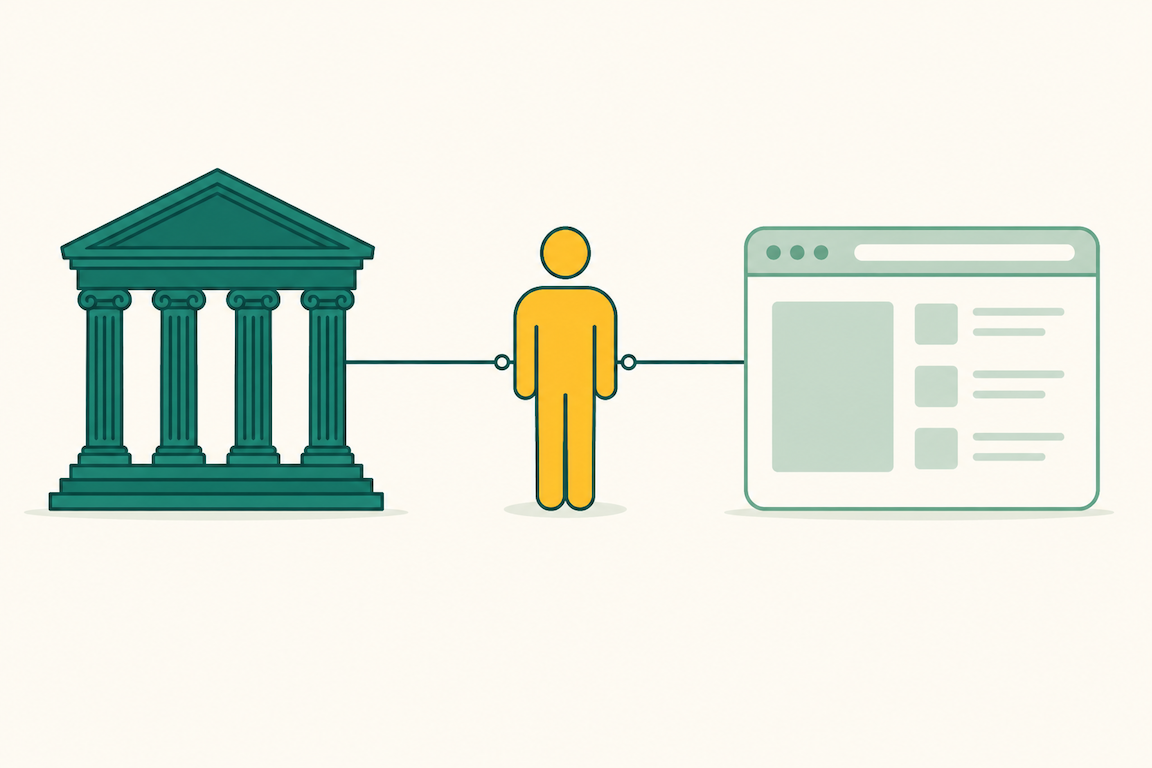
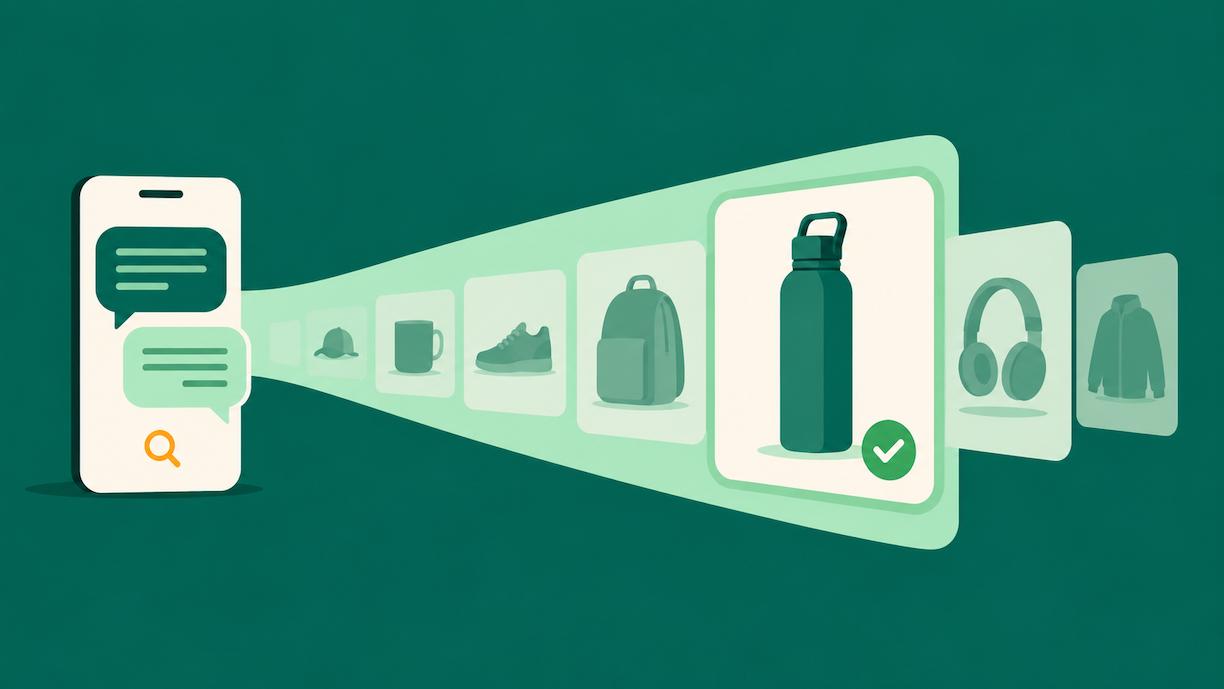
On August 4, 2026, the Ninth Circuit vacated the injunction that had kept Perplexity’s Comet browser off Amazon. Comet can operate on Amazon again. The court’s reasoning was narrow and specific: under the Computer Fraud and Abuse Act, the shopper using the AI tool is the one accessing Amazon’s servers, not the company that built the tool.
Nothing about your listings changed that day. Your ACoS did not move. The number of Amazon orders placed by third-party AI agents is still small enough that most brands cannot see it in their data.
The reason to read the ruling anyway is what Amazon said in its own court filings to win the case in the first place. Amazon told a federal court, in writing, exactly how it treats traffic from outside AI agents, including what it does with the ad impressions those agents generate.
That filing is more useful to a brand owner than the ruling itself.
What the Ninth Circuit Held, and What It Left Open
Amazon sued Perplexity in November 2025 in the Northern District of California. The complaint had two counts, both computer-access statutes: the federal CFAA and California’s Comprehensive Computer Data Access and Fraud Act. Judge Maxine Chesney granted a preliminary injunction in March 2026, finding strong evidence that Comet reached password-protected accounts without Amazon’s authorization.
The appellate panel, in an opinion by Judge Milan D. Smith Jr., disagreed on the threshold question. The CFAA punishes whoever intentionally accesses a protected computer, and the panel read “whoever” as a person. However advanced the Assistant is, the court wrote, it is a tool rather than a person for statutory purposes. Perplexity’s servers never touch Amazon’s servers. The browser runs on the shopper’s machine, takes screenshots of what the shopper’s own browser already loaded, and sends those to Perplexity for instructions. So the shopper accessed Amazon, with help.
The panel was explicit that it was not building a legal framework for agentic AI, and that its holding applies to the record in this case. It also flagged, in a footnote, that the ruling does not touch Amazon’s ability to control agent access through its own terms of service. Amazon added an Agent Terms section to its Conditions of Use on May 30, 2025, requiring AI agents to identify themselves in the user-agent string. That section is still in force. The contract path is untouched.
Read Amazon’s Complaint, Not the Headlines
Buried in Amazon’s filing is the part that matters if you buy Sponsored Products.
Amazon told the court that traffic from automated agents imposes operating costs on its advertising systems, because advertisers pay for ads shown to humans and billing runs on valid impressions. When automated agents generate ad traffic, Amazon has to spend engineering resources detecting and filtering those non-human impressions before it bills advertisers, which requires building new detection mechanisms to exclude automated traffic.

Sit with that.
Amazon’s position, argued under oath, is that an AI agent browsing a category page is traffic it works to keep out of your billing. Not fraud, not a policy violation on your end, just a session where the ad served and the impression got stripped.
Perplexity’s rebuttal made the same point from the other direction, arguing that Amazon’s real motive was that AI agents have no eyes to see the advertising Amazon serves.
Both companies agree on the mechanics. They disagree only about whose fault it is.
Amazon also told the court that the Comet agent may not pick the best price, delivery method, or product for the shopper, and may not add items to hit free-shipping thresholds. The Ninth Circuit was unimpressed by that as evidence of irreparable harm, calling the degraded-experience claim abstract compared with the harms in the cases Amazon cited. So treat it as Amazon’s litigating position rather than a finding of fact.
Even as a position, it tells you what Amazon believes agent-mediated shopping does to the merchandising layer it spent decades building.
Two Classes of AI Shopper Now Browse the Same Store
Amazon runs its own assistant. Alexa for Shopping replaced Rufus on May 13, 2026 and sits in the main search bar for every signed-in US customer. It is fully instrumented for advertising. Amazon has built AI-generated prompts into Sponsored Products and Sponsored Brands, and every advertiser was enrolled automatically.
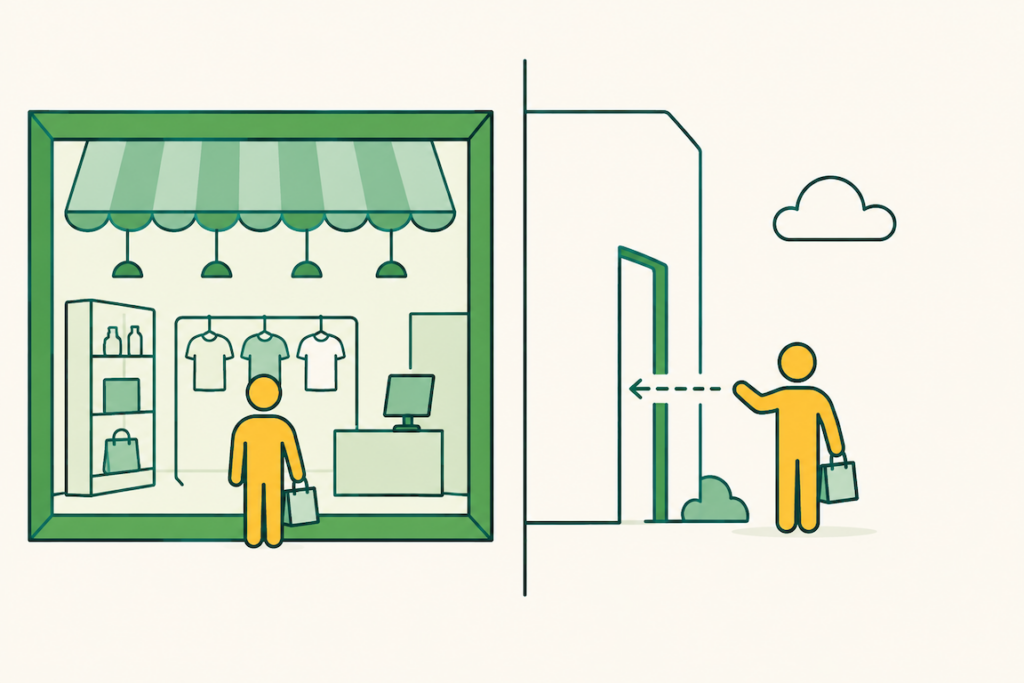
Third-party agents like Comet sit outside that. Same catalog, same checkout, different commercial relationship with your ad spend.
Here is our read, and reasonable people will disagree. The interesting question for a brand is not which agent wins. It is that Amazon’s paid layer and Amazon’s organic layer are drifting apart in how well they reach an AI shopper. Ads reach the assistant Amazon controls. Product data reaches everything. An agent that cannot be sold to can still be informed, because it reads the same attributes, bullets, and A+ modules any other visitor loads.
That asymmetry has been building for two years. The Perplexity ruling just made it legible.
What to Change, and What to Leave Alone
Do not rebuild your account around this. Third-party agent volume on Amazon is not yet large enough to justify restructuring campaigns, and any brand telling you otherwise is selling something.
Three things do earn attention now, and all three pay off regardless of how the litigation ends.
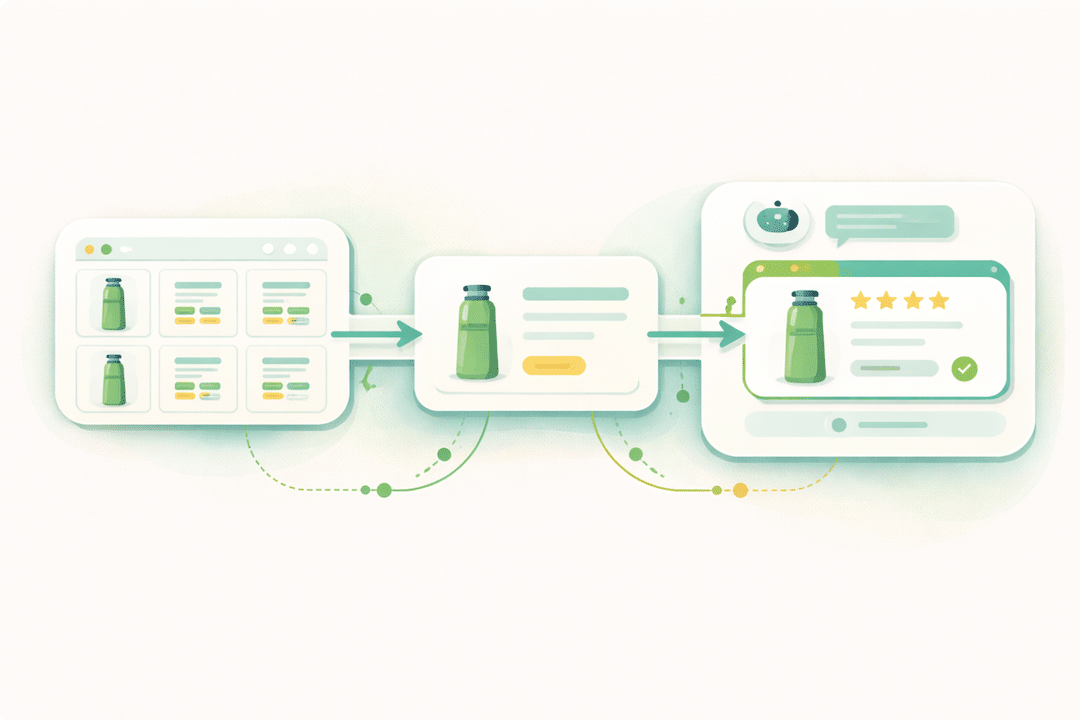
Attribute completeness. An agent reading a screenshot of your detail page has whatever Amazon rendered and nothing else. Empty attribute fields are invisible to a human skimming photos and fatal to a parser building a comparison. Fill the backend fields that never show on the page. Material, dimensions, compatibility, count, certifications.
This is duller work than it sounds and it is where most audits stall. In our experience across partner catalogs, the gaps cluster in the same places: variation parents inheriting blank fields from a launch spreadsheet nobody has opened since, category-specific attributes added by Amazon after the listing went live, and units of measure entered as free text in one ASIN and as a dropdown value in the next.
None of it hurts a human shopper. All of it makes a machine guess.
Bullets that answer rather than persuade. Copy written to create desire underperforms with a system extracting facts. Lead each bullet with the specification, then the benefit. This is the same discipline that helps you inside Amazon’s own ranking and retrieval systems, which is why it is worth doing before agent volume arrives.
A+ content that reads as reference material. Comparison charts, spec tables, and use-case modules survive extraction. Lifestyle imagery with the claim baked into the picture does not. We have written before about what A+ content lifts and how to make it convert, and the AI-extraction angle has only sharpened since.
This is not a hedge against a court ruling. It is the same catalog hygiene that has been quietly separating accounts for a while, now with one more reason attached.
What Happens Next
The case returns to the Northern District of California. The Ninth Circuit vacated a preliminary injunction, which is a ruling about likelihood of success early in a case, not a verdict. Amazon said it disagrees with the decision and is weighing next steps, which could include asking the full Ninth Circuit to rehear the case or petitioning the Supreme Court.
Amazon’s Agent Terms also remain a live path. The panel said so directly. A terms-of-service claim asks a different question than a hacking statute does, and Amazon has technical options too, including detection and blocking that do not require a court’s permission.
For sellers, the practical horizon is longer than the news cycle suggests. Watch what Amazon does with its Conditions of Use over the next two quarters. That will tell you more than the docket will.
Canopy manages Amazon, Walmart, TikTok Shop, Shopify, Meta, and Google for brands doing $20K to $1.5M a month, and we have been rebuilding partner catalogs for AI-mediated discovery since Rufus launched. Our partners average an 84% year-over-year profit increase. The accounts that came through the last two assistant transitions cleanly were the ones with complete attribute data before the transition started, not after.
Schedule a strategy session to see how we’d approach your account.
Your Listings Are Being Read by Machines. Do They Have Enough to Go On?
Canopy's Partners Achieve an Average 84% Profit Increase!
Get Your Free Listing Data AuditFrequently Asked Questions
Yes. The Ninth Circuit vacated the preliminary injunction on August 4, 2026, so the order blocking Comet from Amazon is no longer in effect. The underlying lawsuit continues in district court, and Amazon has said it is evaluating next steps.
No. The panel addressed only whether Perplexity “accessed” Amazon’s computers under computer-hacking statutes, and it noted in a footnote that Amazon can still regulate agent access through its own Conditions of Use. Amazon’s Agent Terms, added May 30, 2025, still require AI agents to identify themselves in the user-agent string.
Amazon told the court it builds detection systems to filter non-human impressions out of advertiser billing before invoices go out. Amazon has not published a seller-facing policy detailing how that filtering works or which agents it catches, so treat the mechanics as unconfirmed. Ask your brand manager to watch for unexplained impression-volume shifts in categories with high AI-assistant usage.
Not your campaign structure. Third-party agent volume is still small, and restructuring around it now would be premature. The listing-side work, complete attributes, fact-led bullets, and reference-style A+ content, is worth doing anyway because Amazon’s own assistant reads the same data.
No. A preliminary injunction ruling decides whether a plaintiff is likely to win, not whether it does. The case was remanded to the Northern District of California, and Amazon retains options including a request for rehearing.
Alexa for Shopping runs inside Amazon and is wired into Amazon’s advertising products, so paid placements can reach shoppers using it. Outside agents operate through the shopper’s own browser session and sit outside that advertising relationship. Both read your listing content the same way.